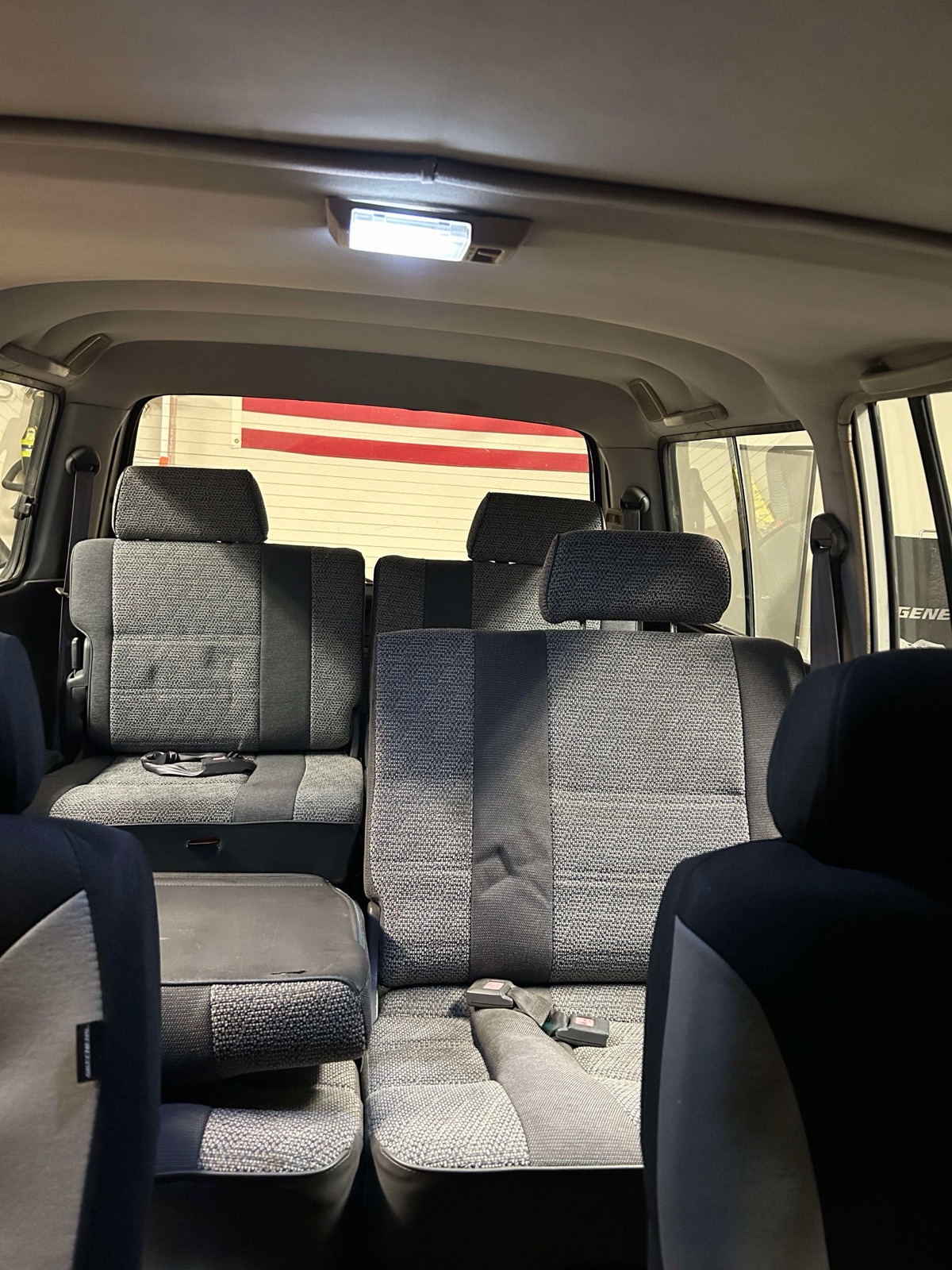
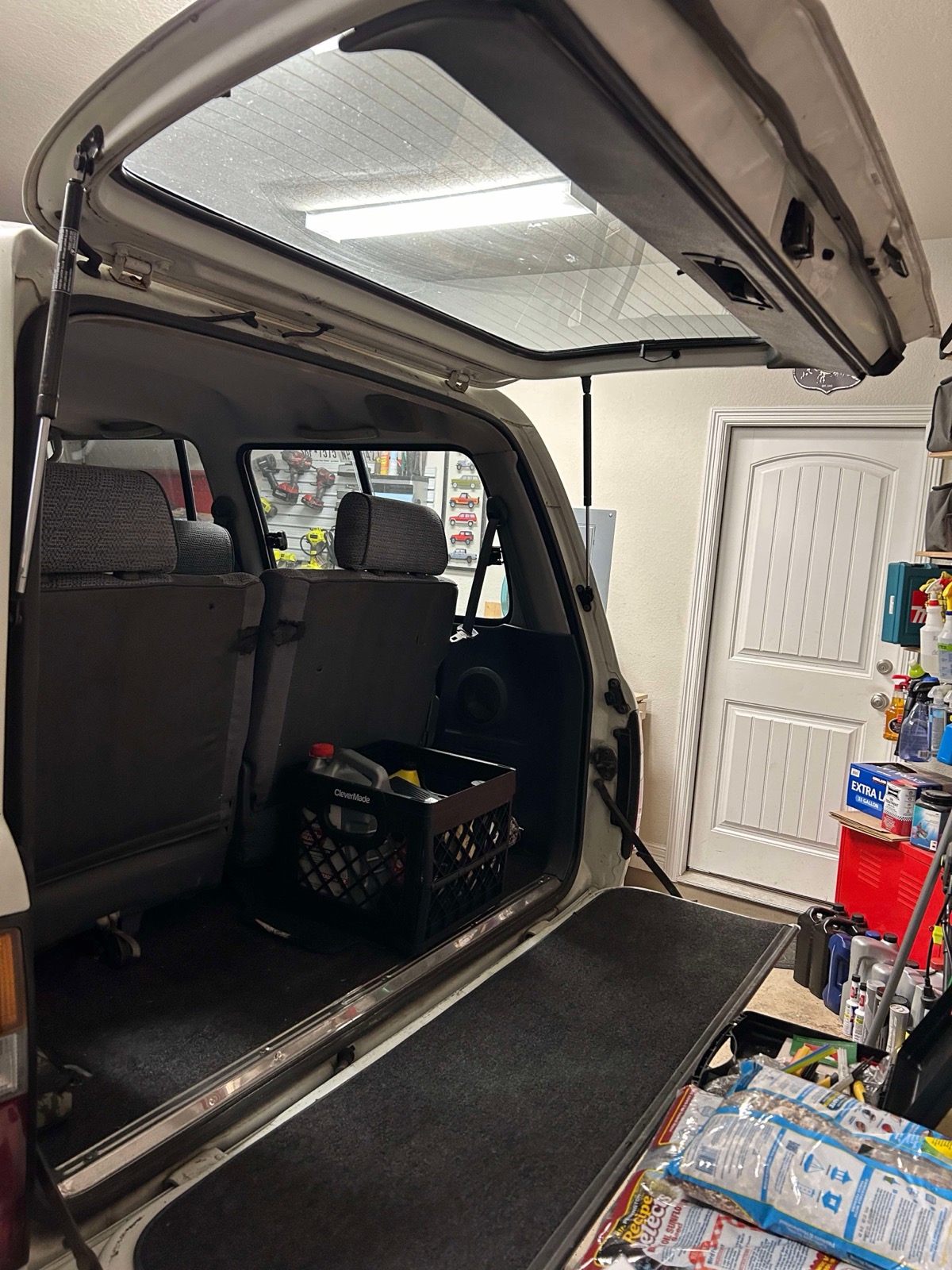
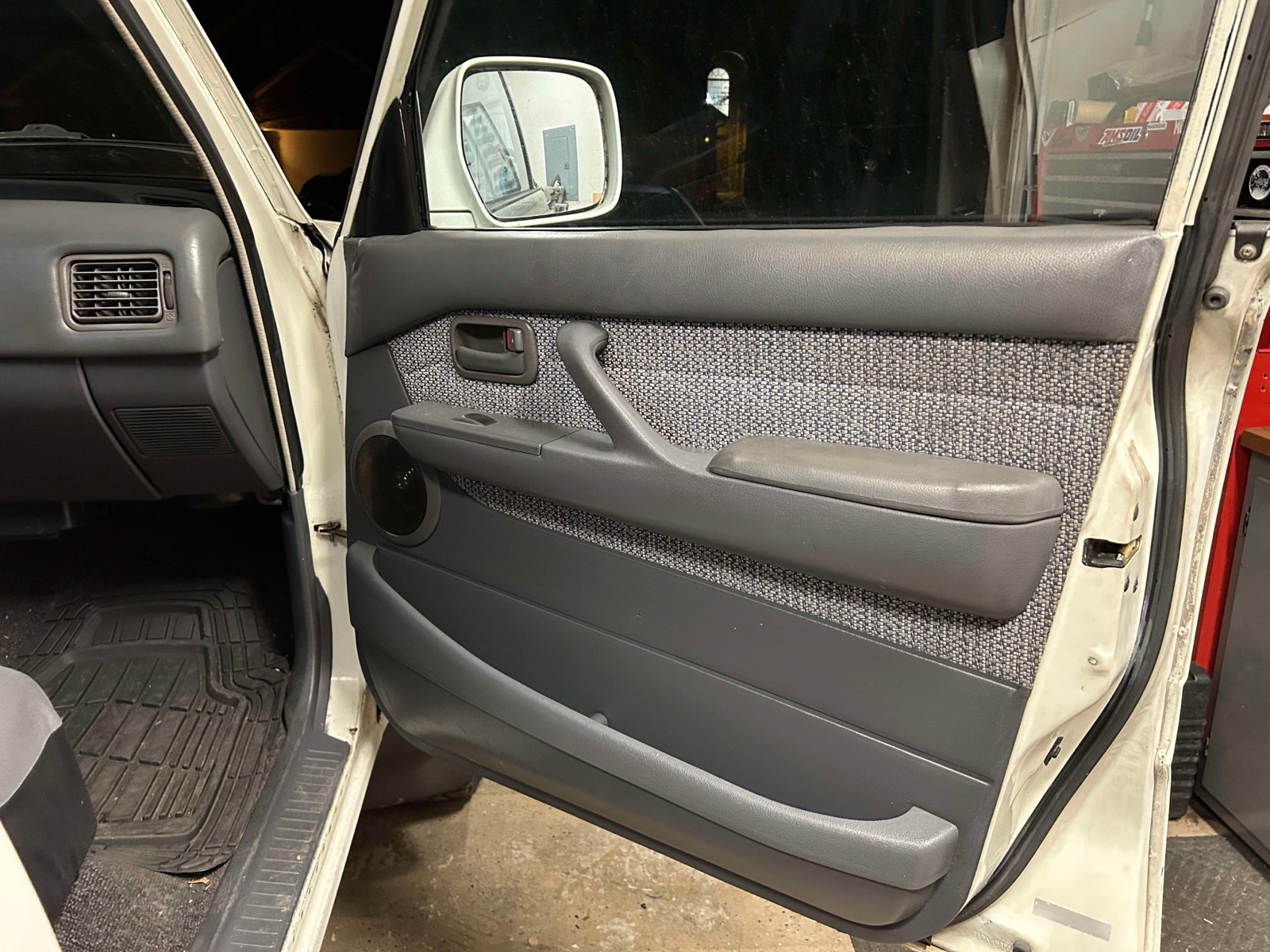
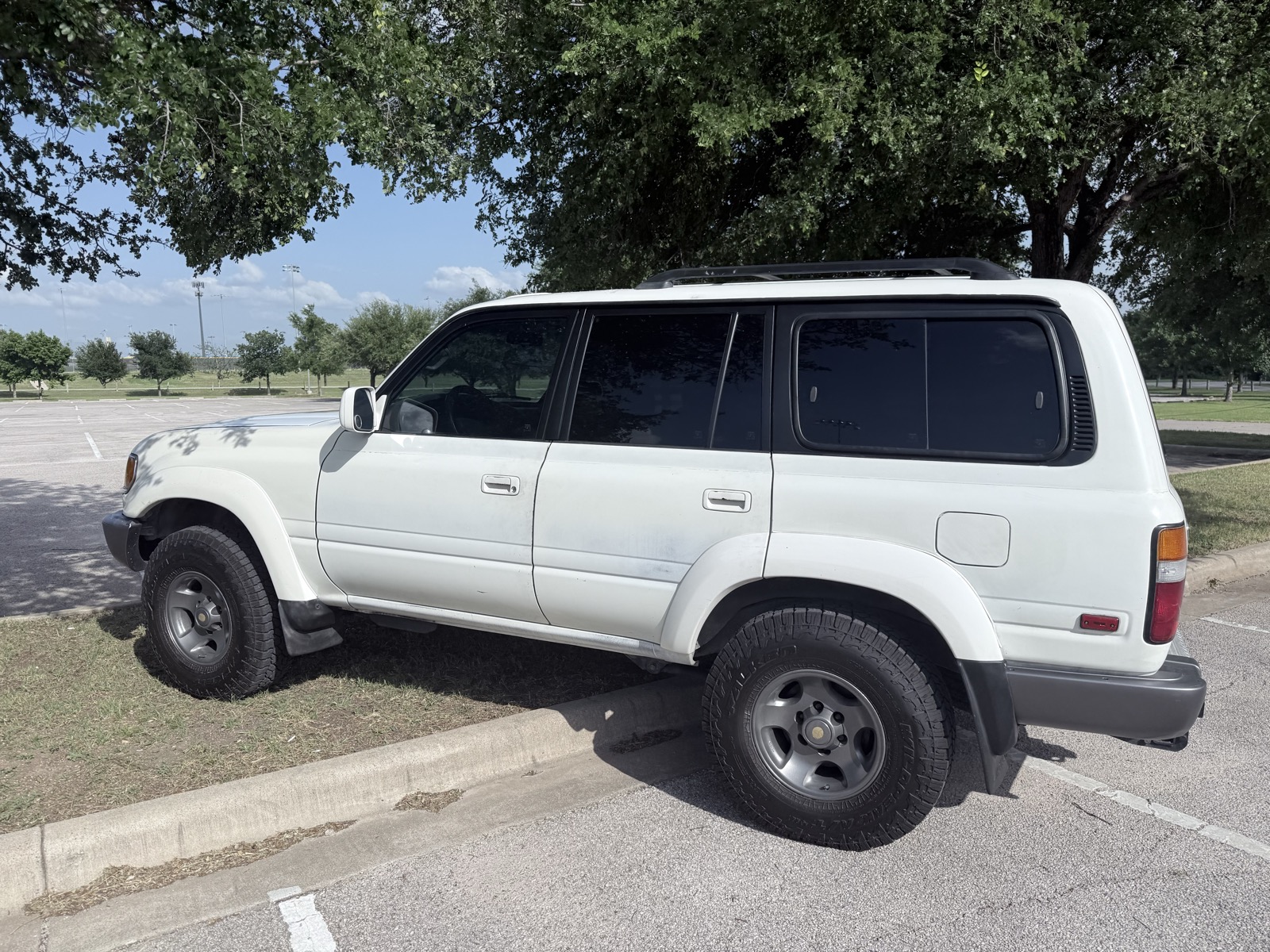
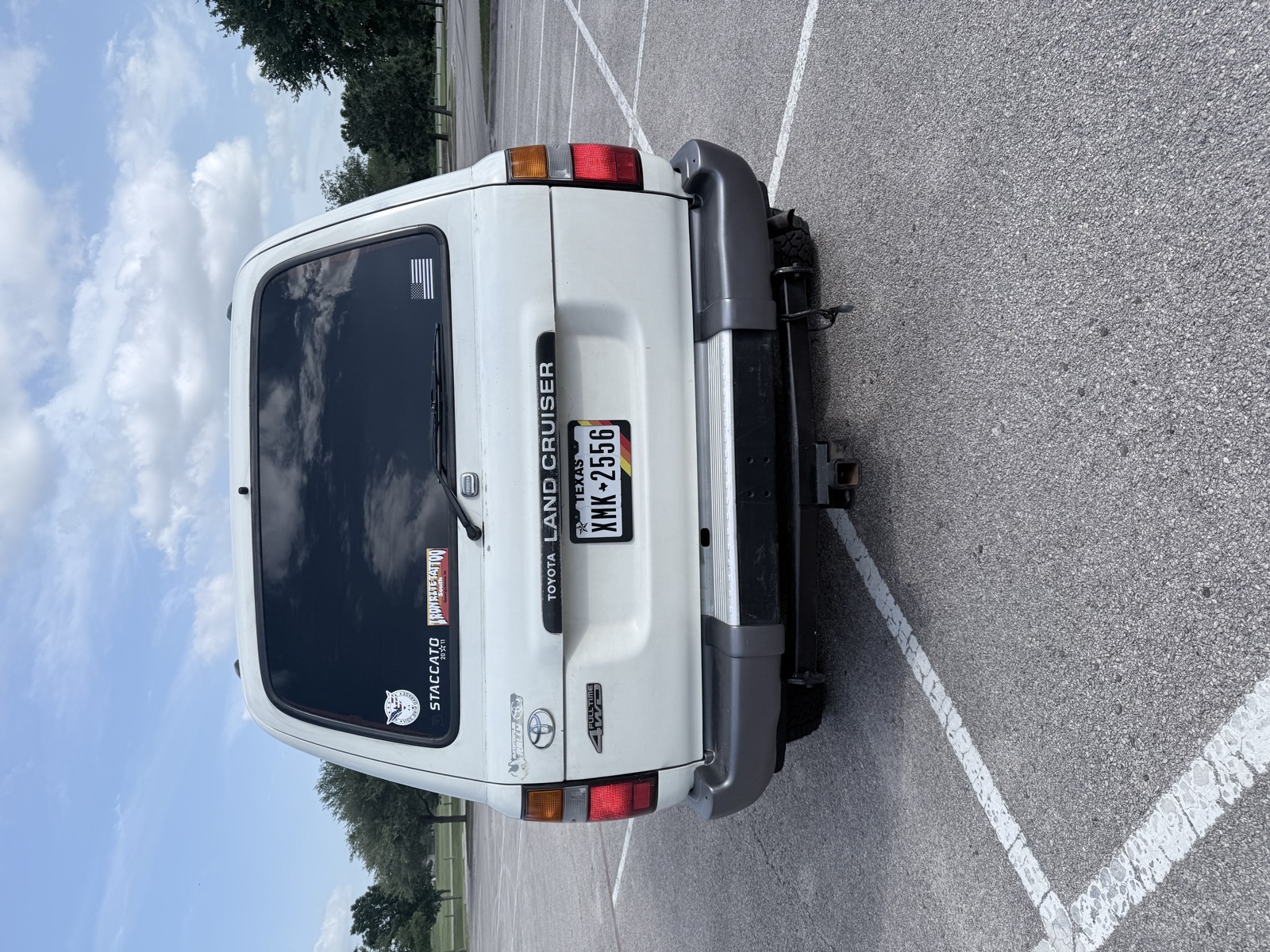
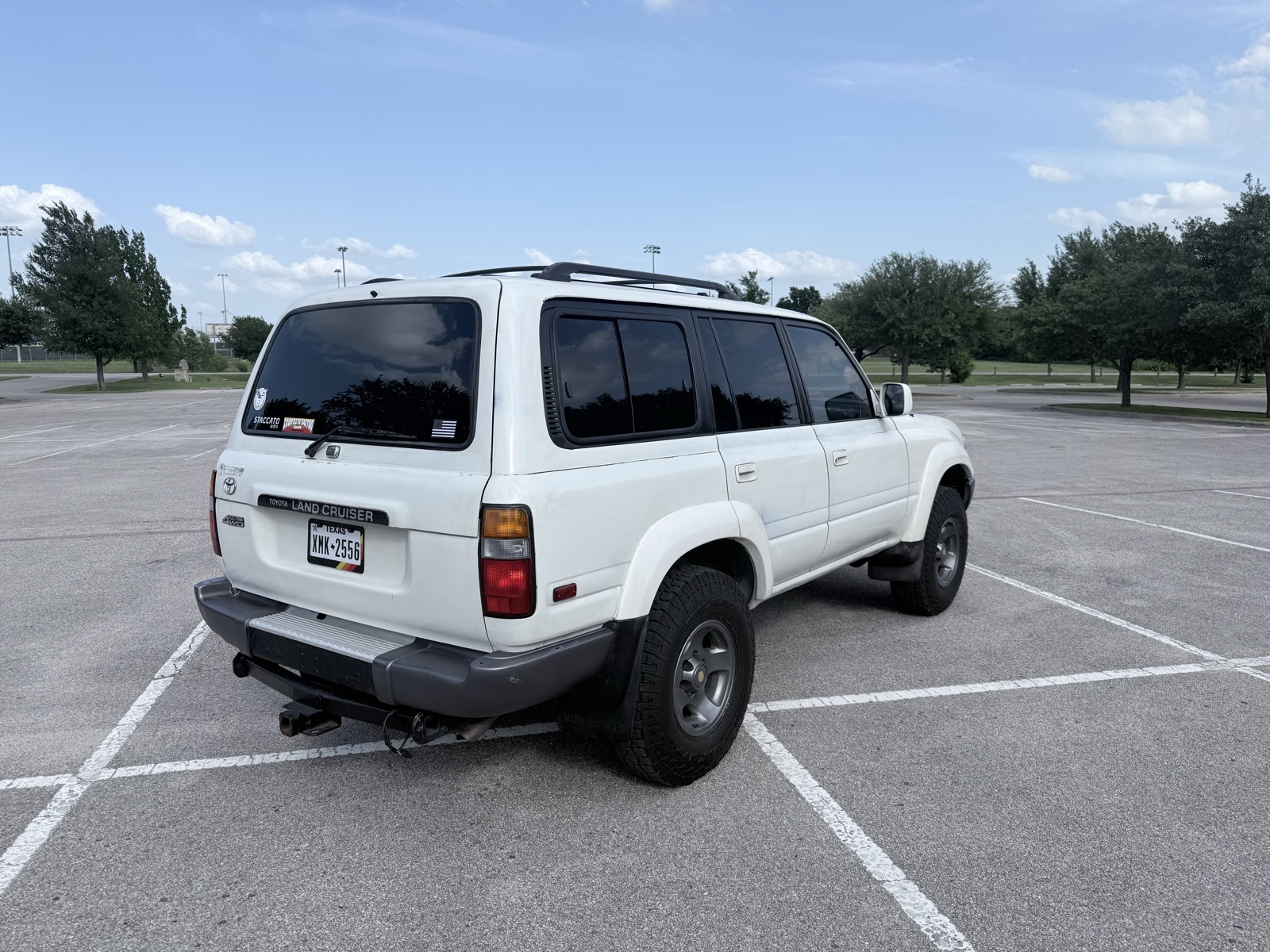
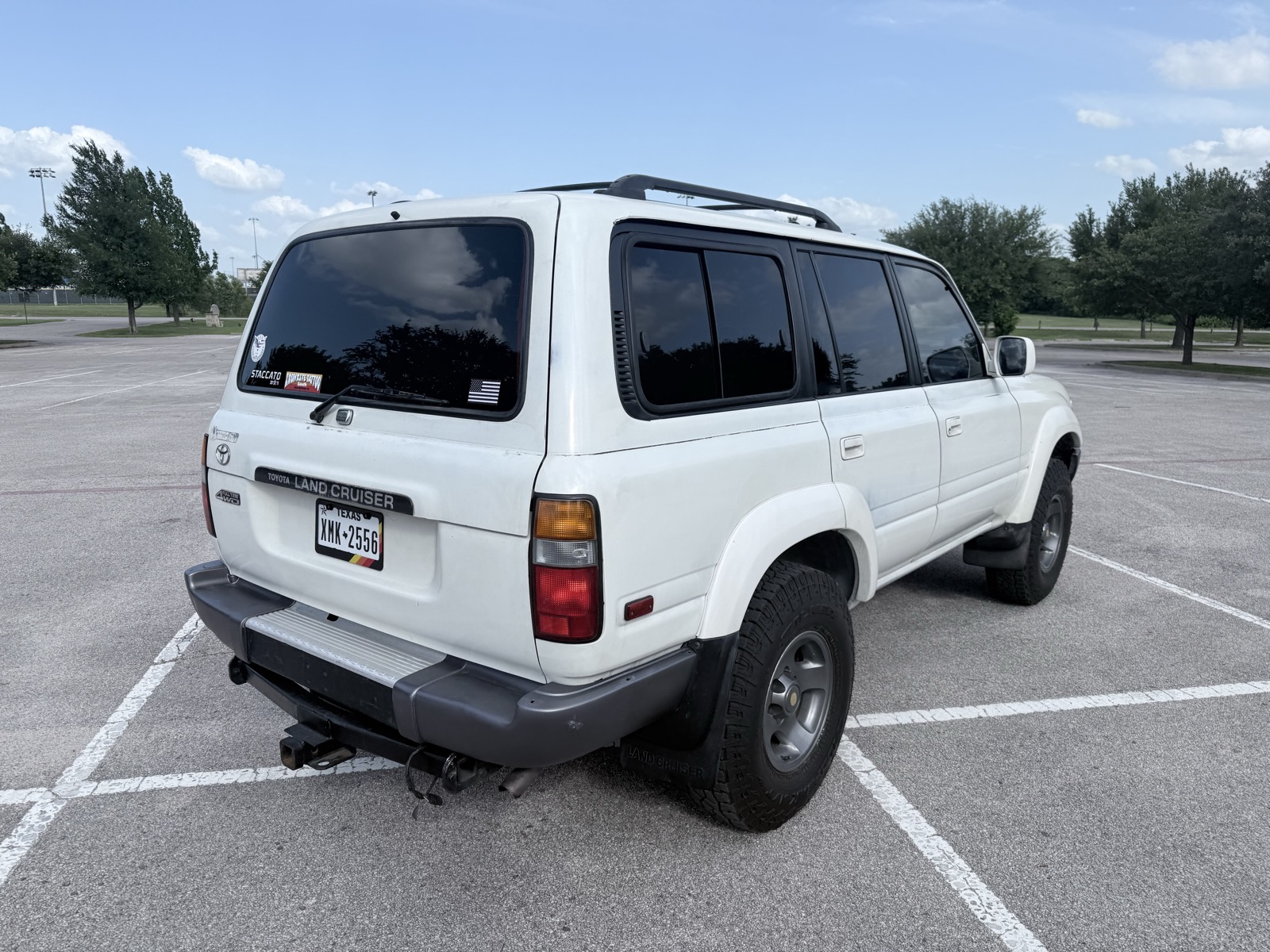
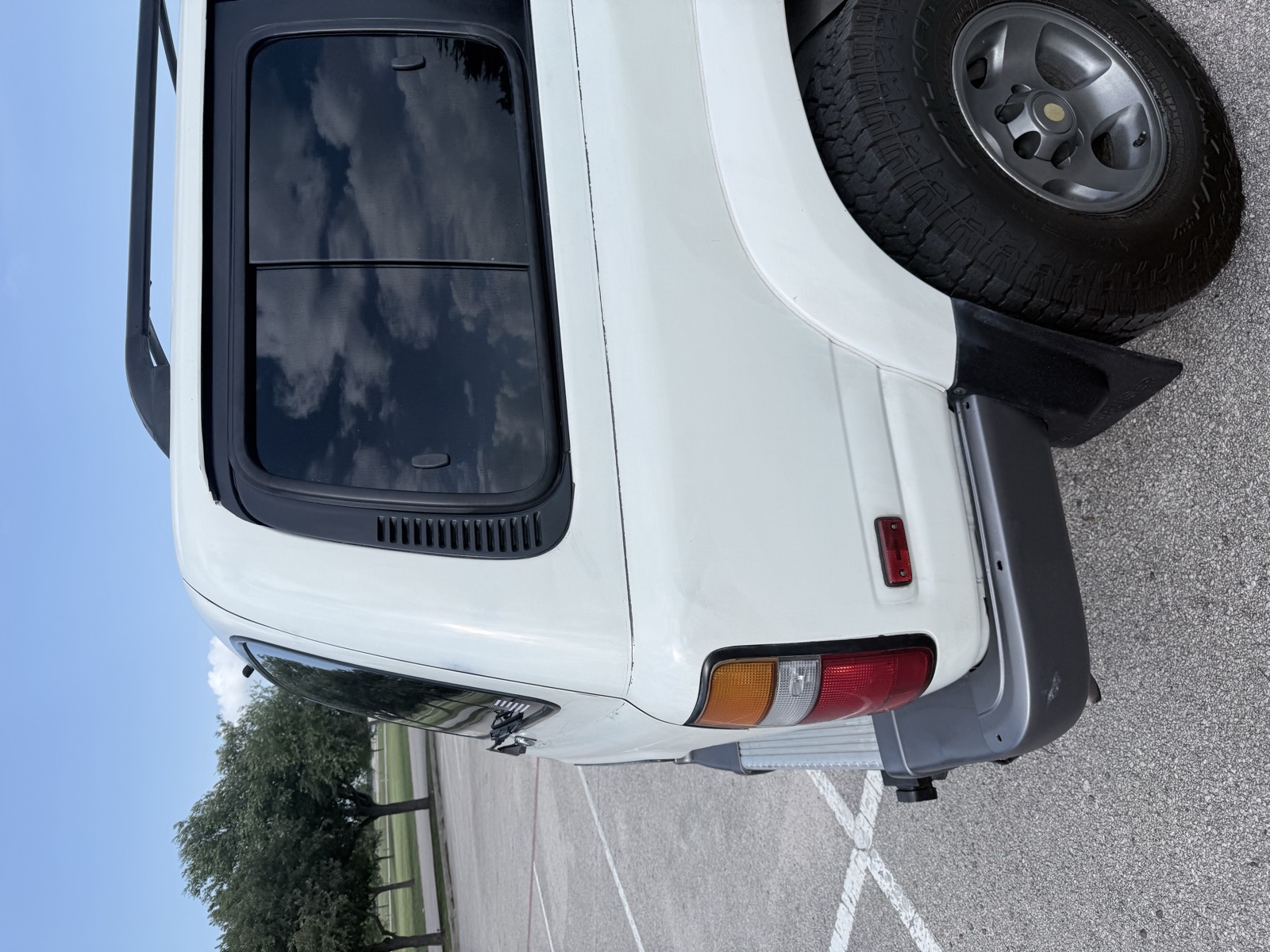
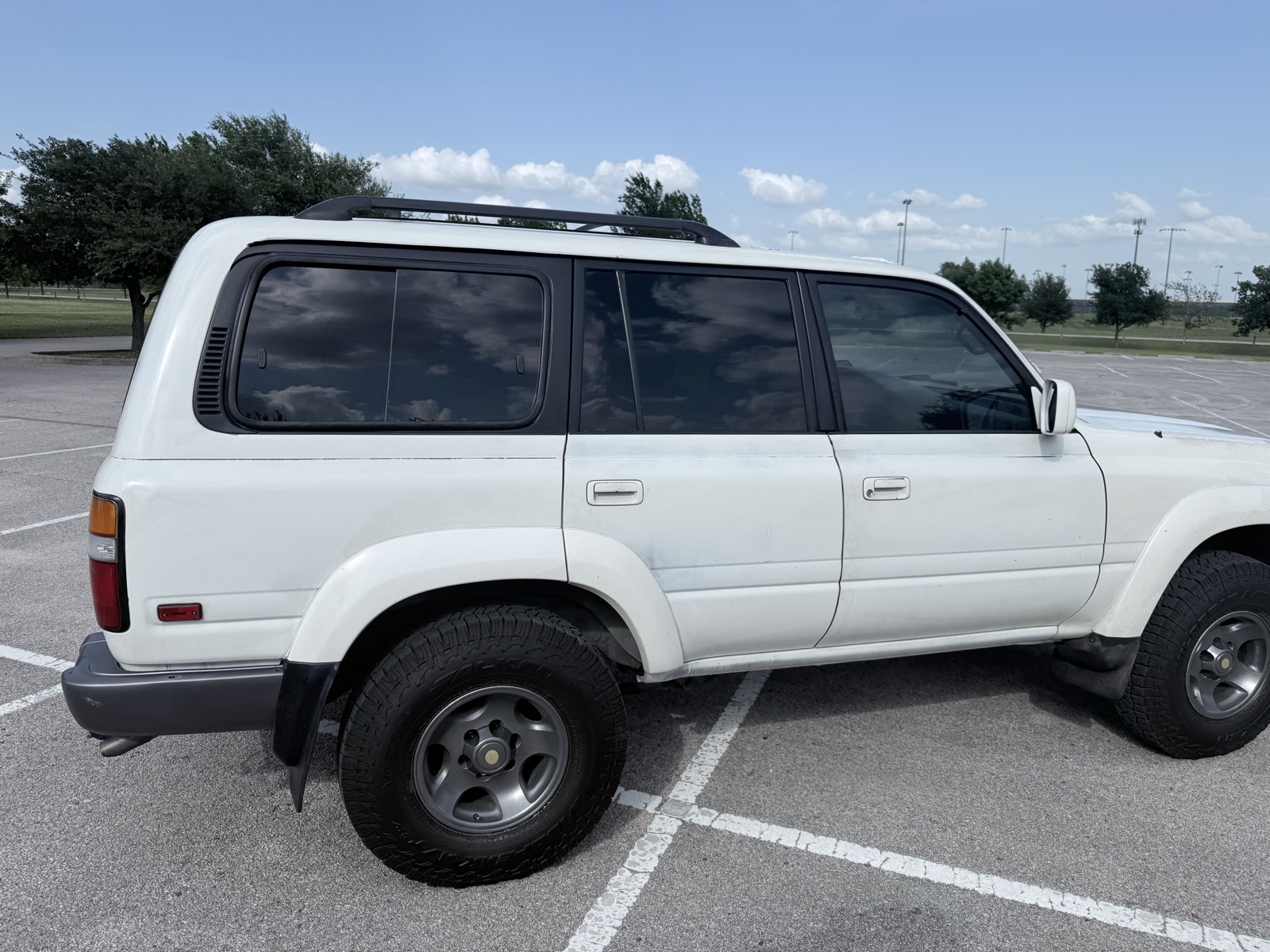
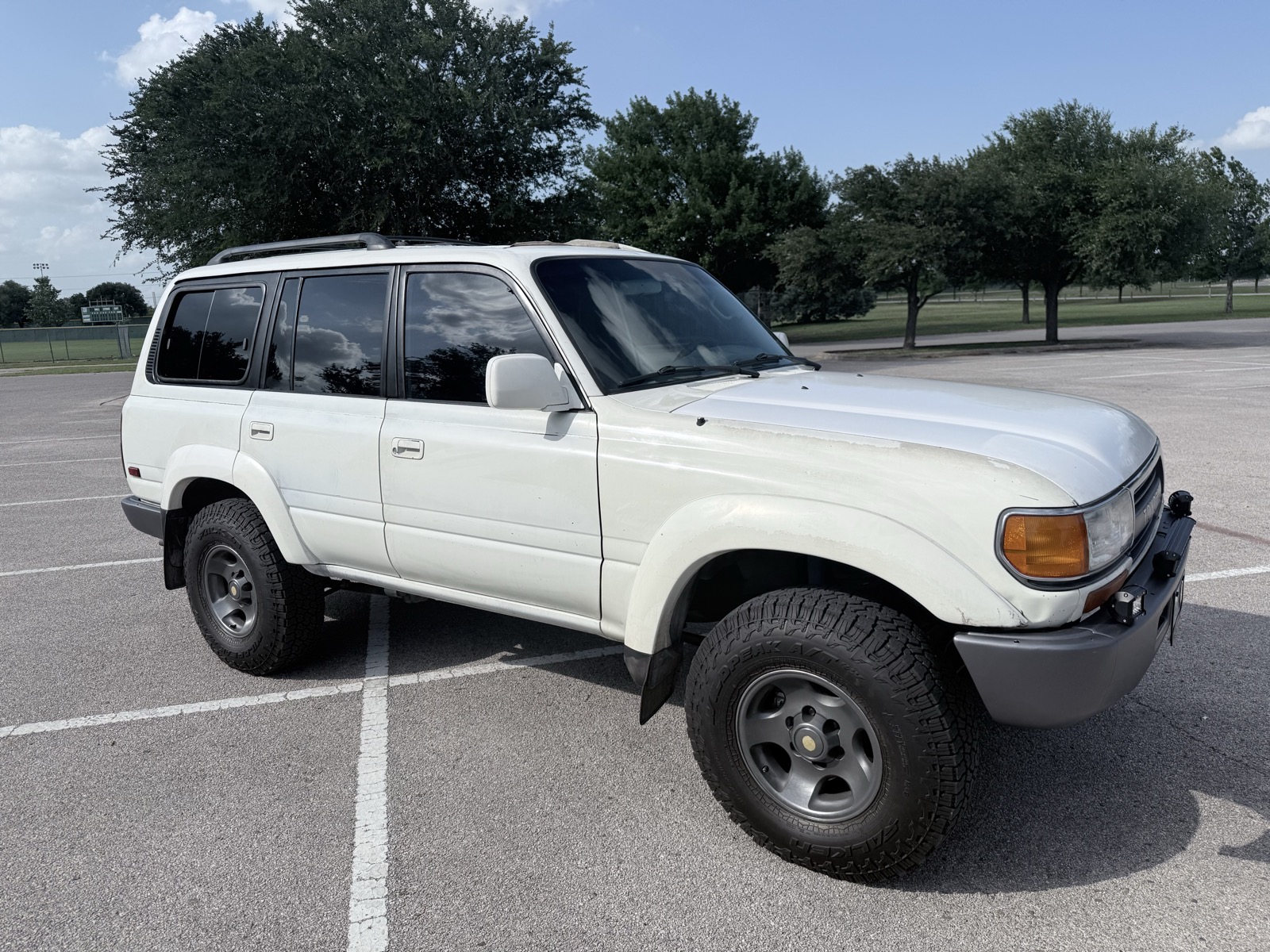
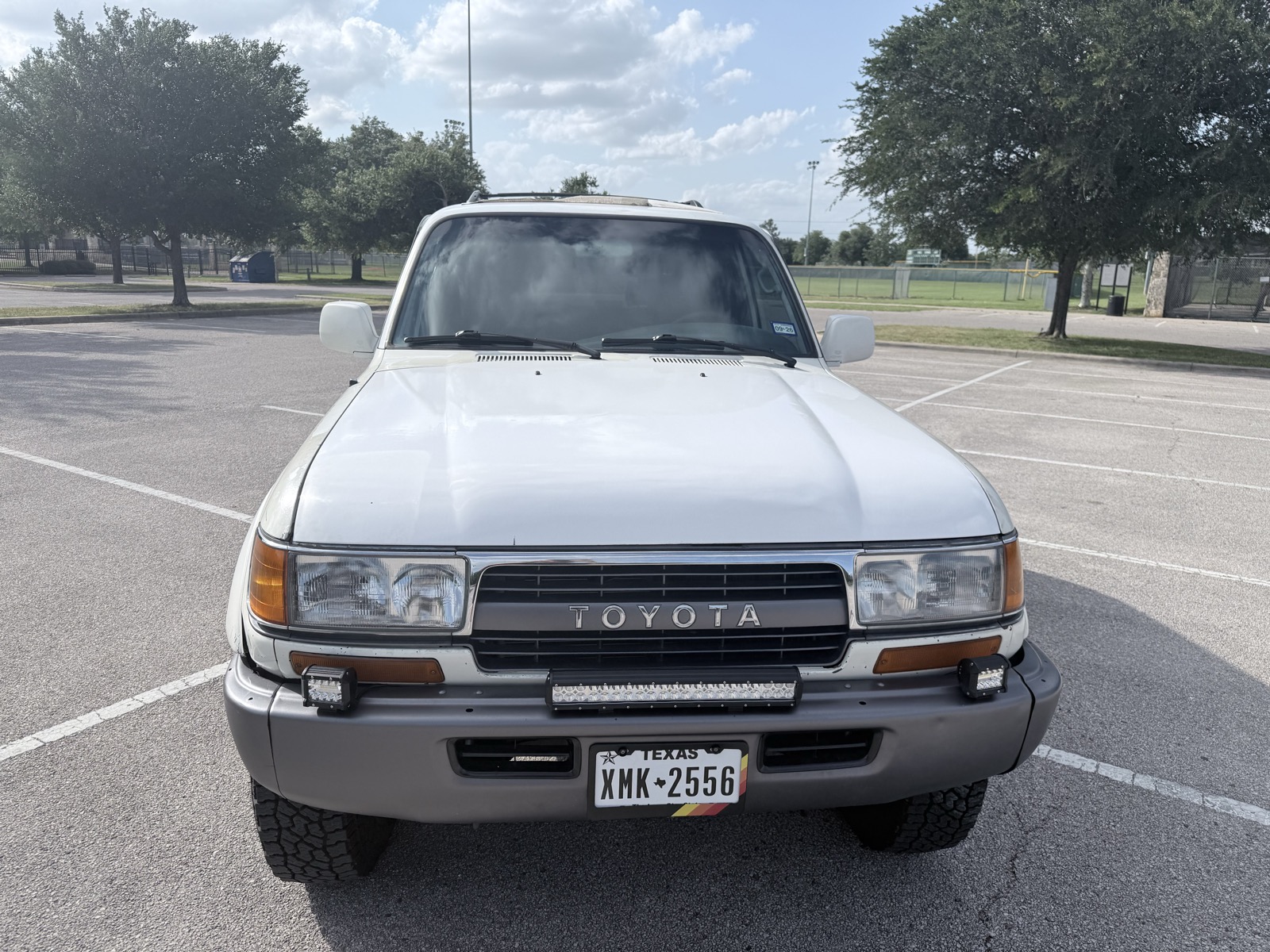
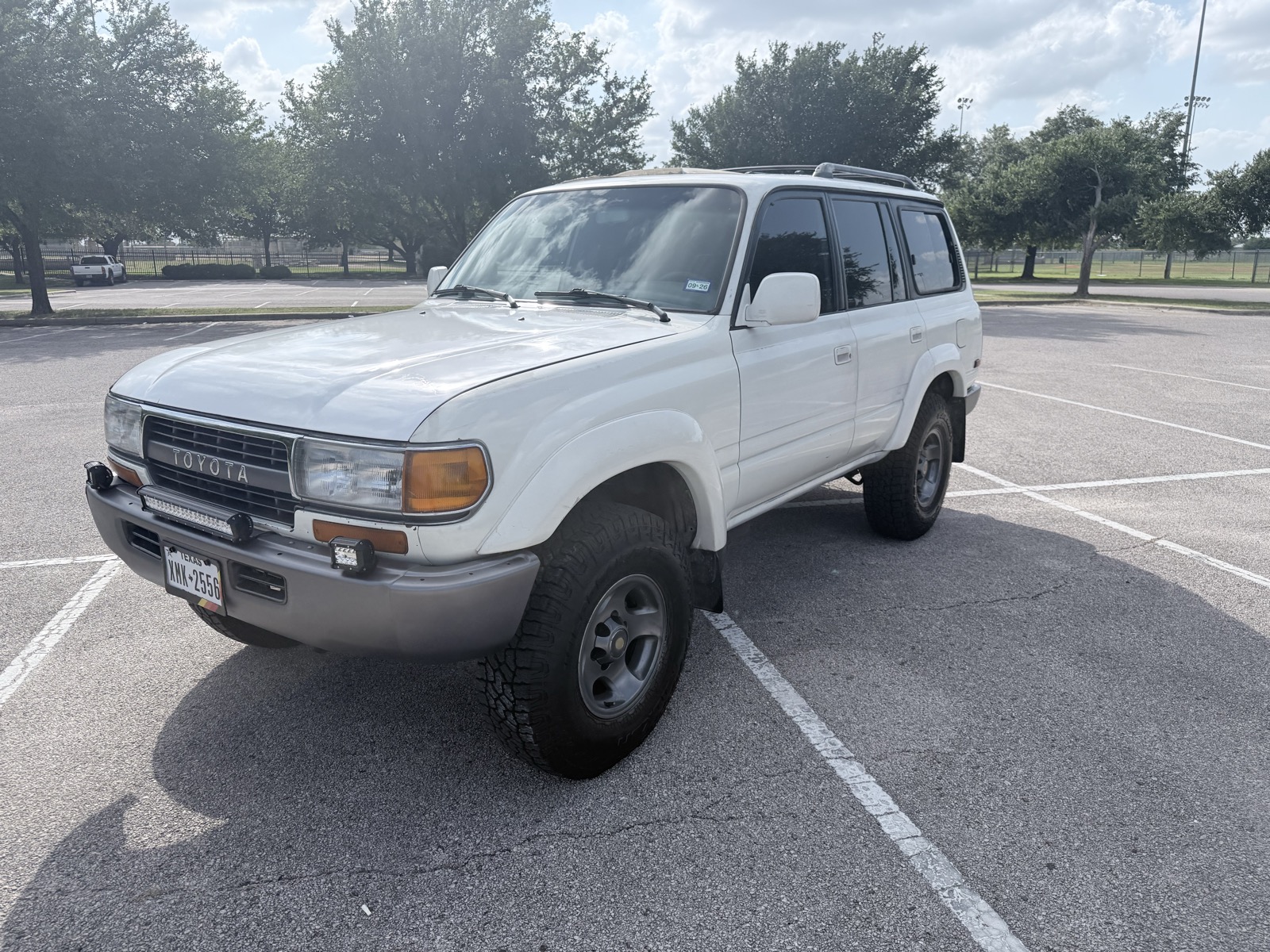
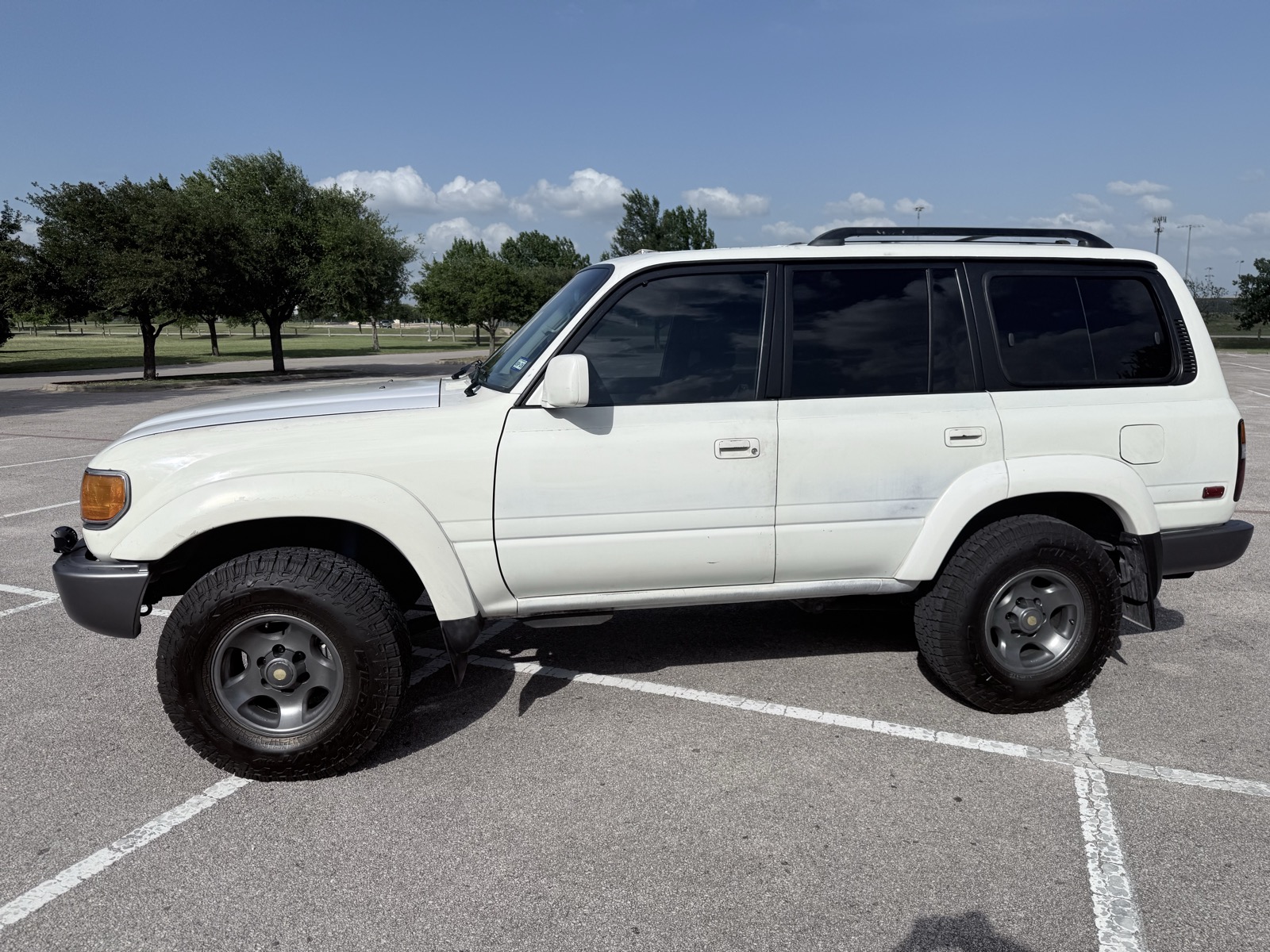
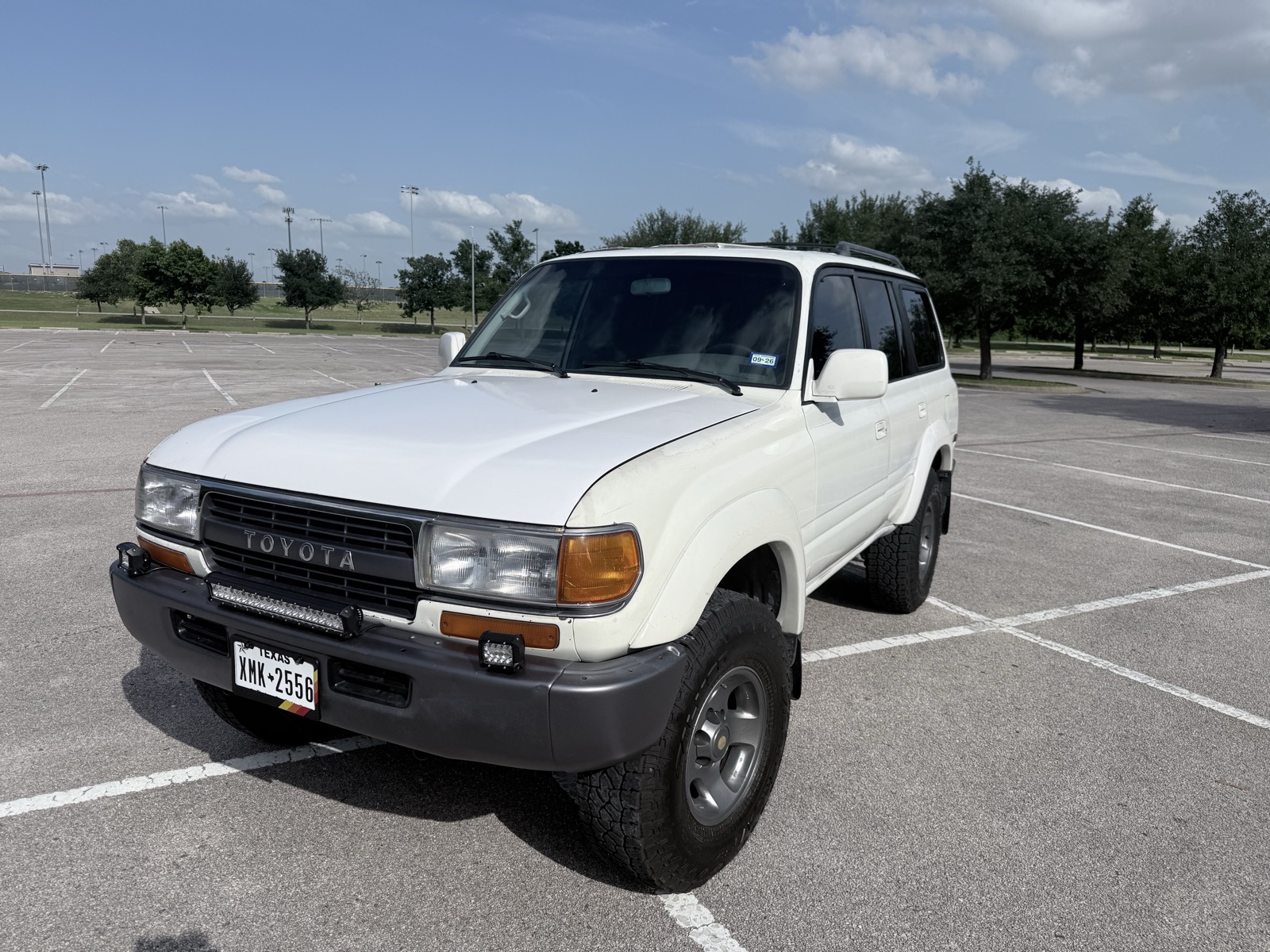
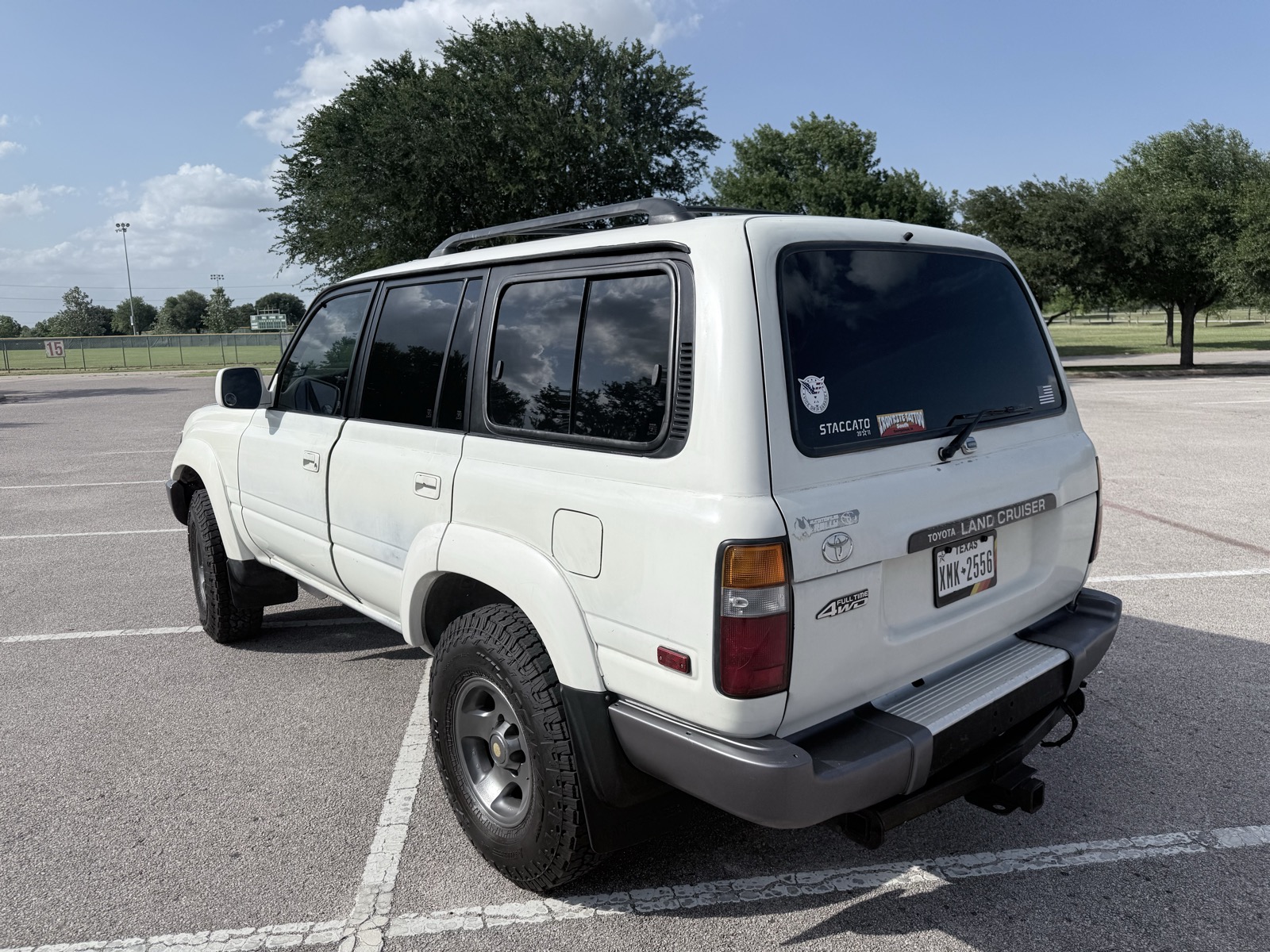
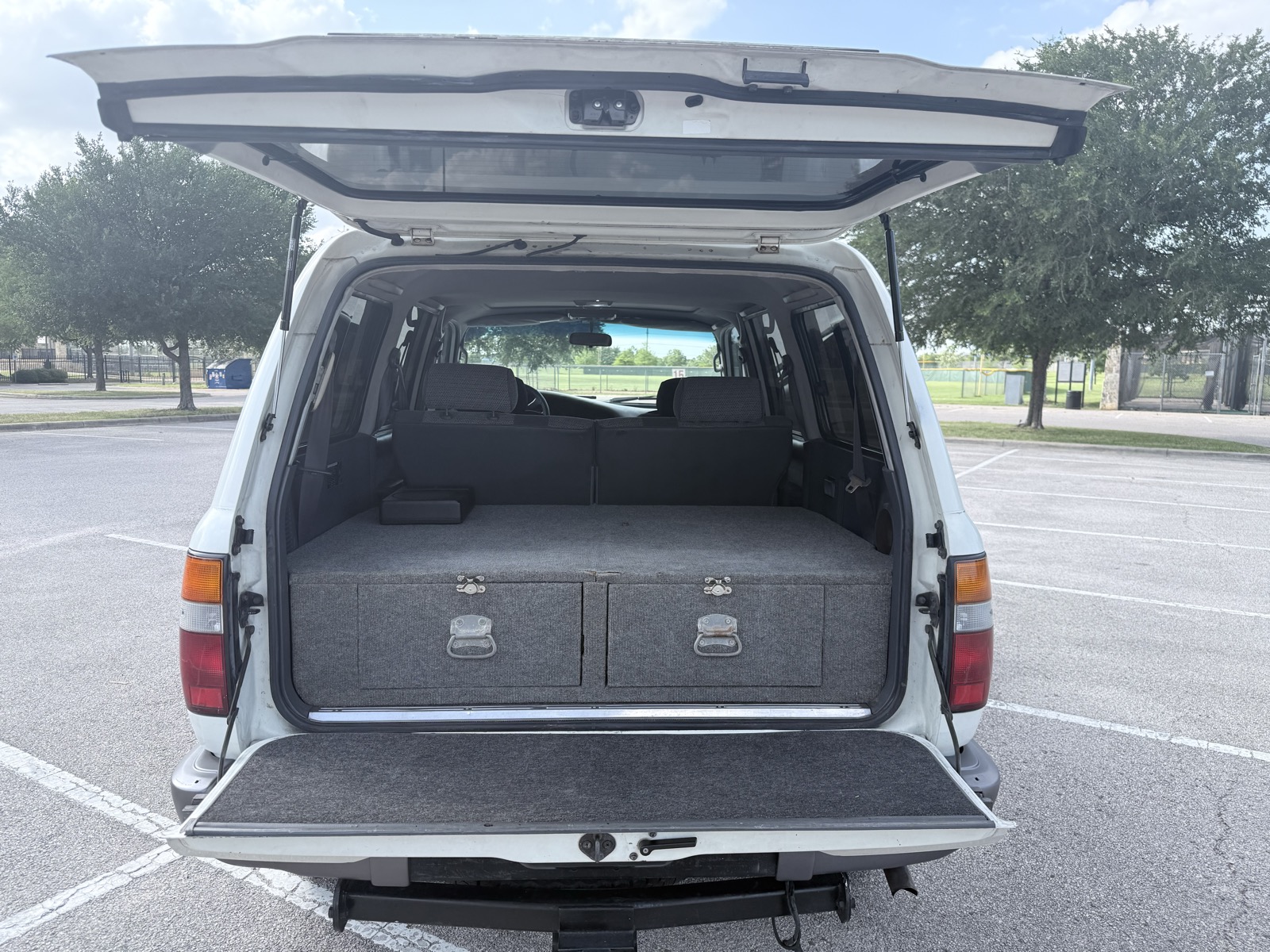
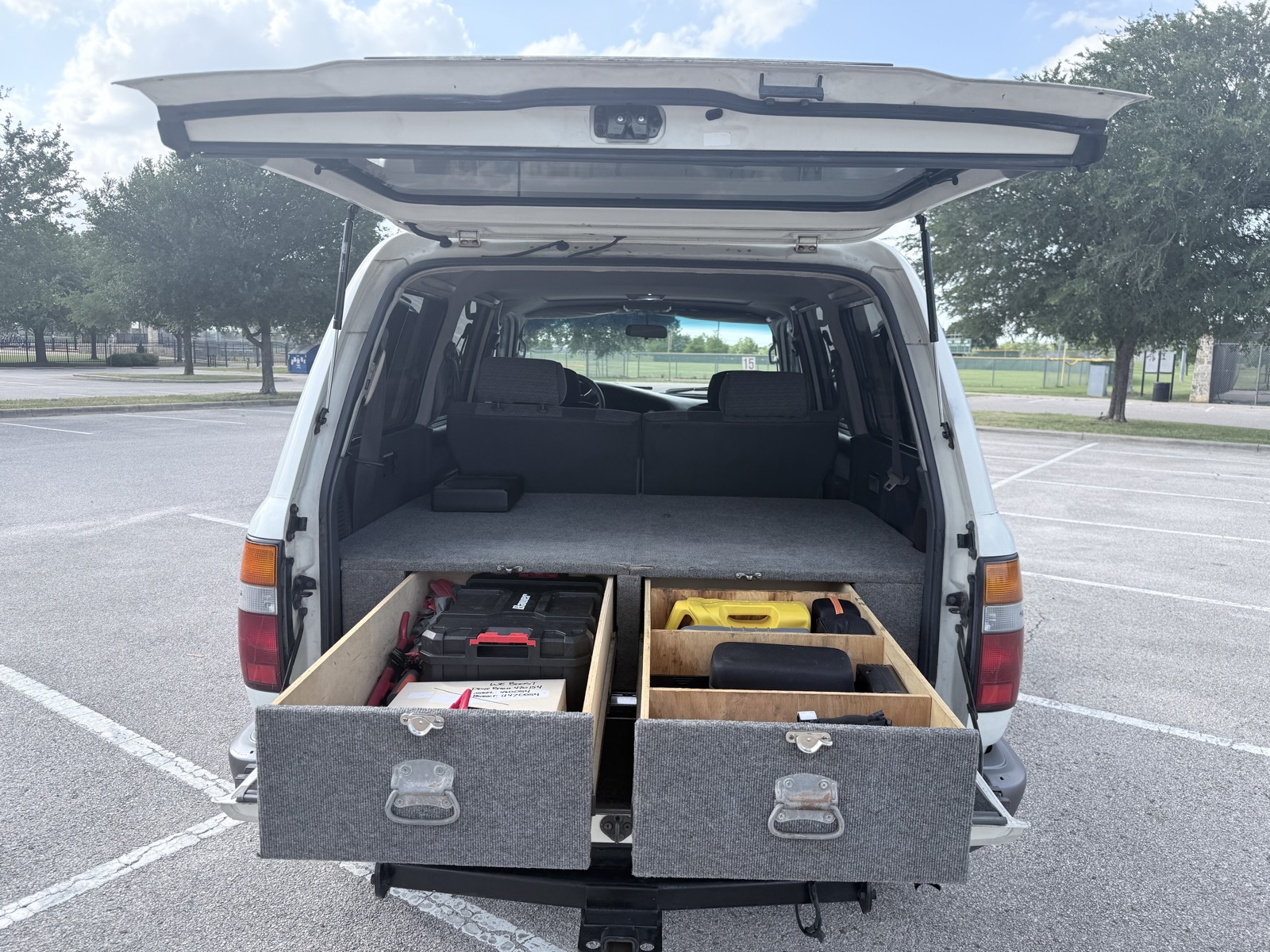
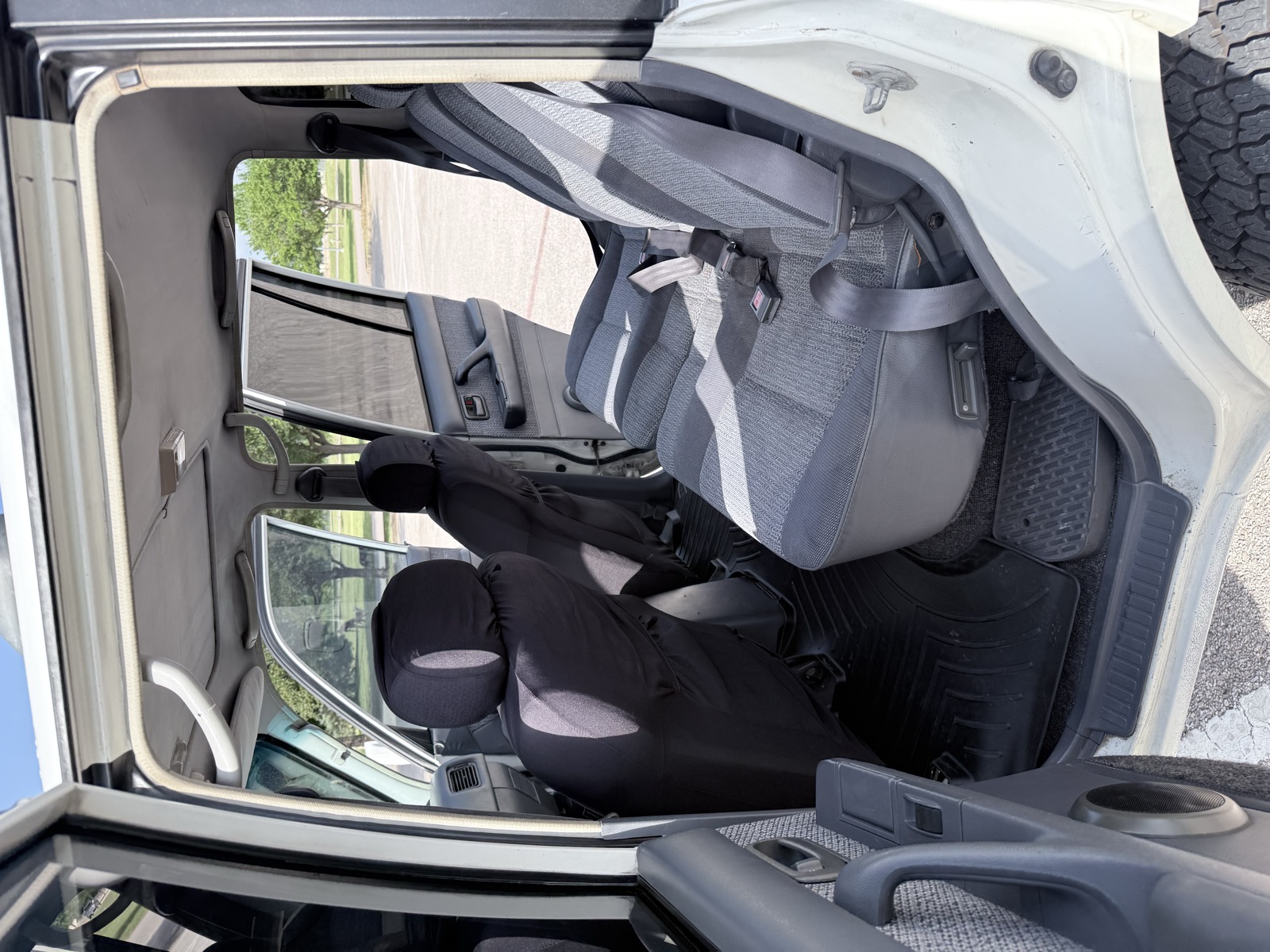
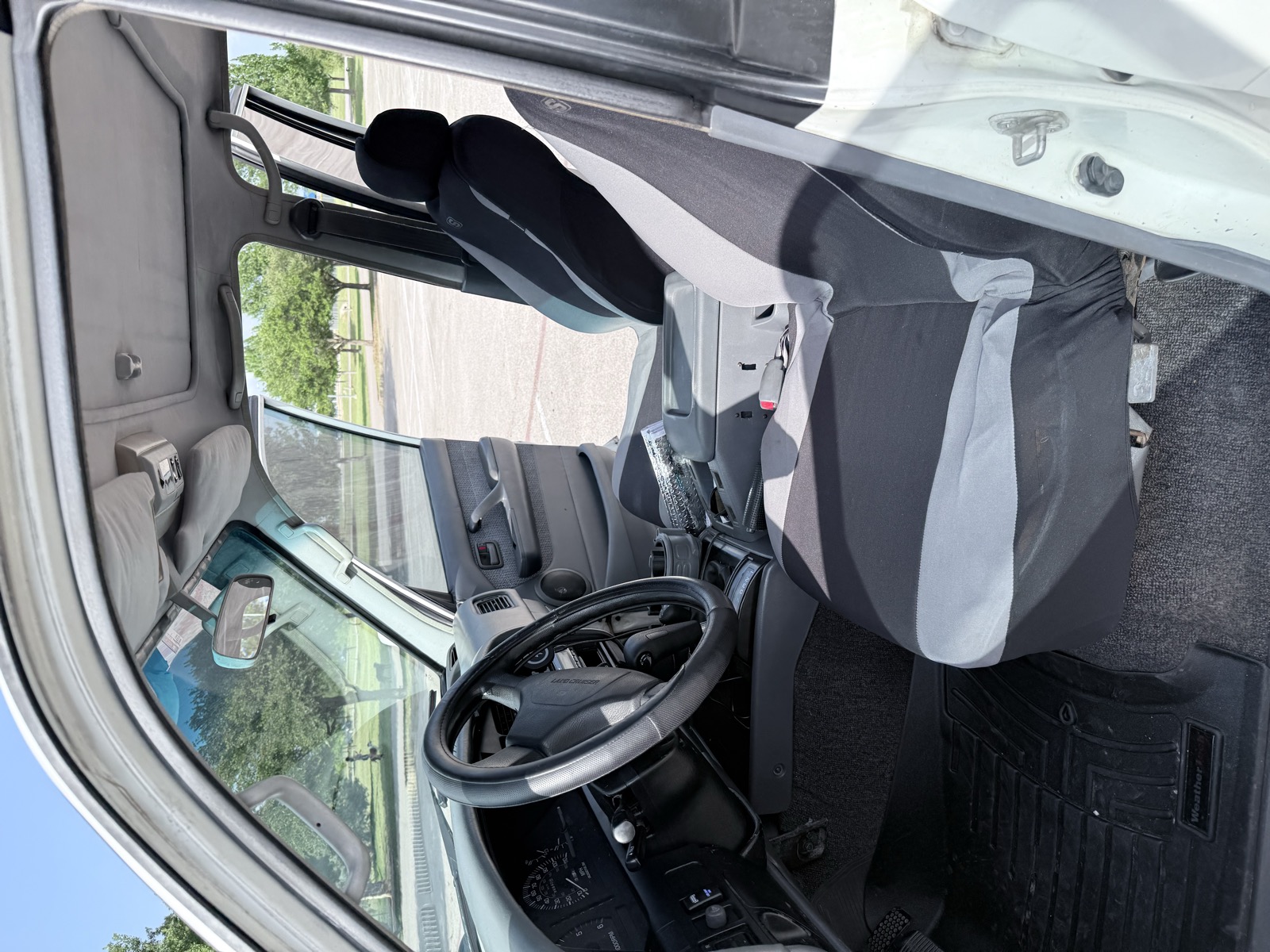
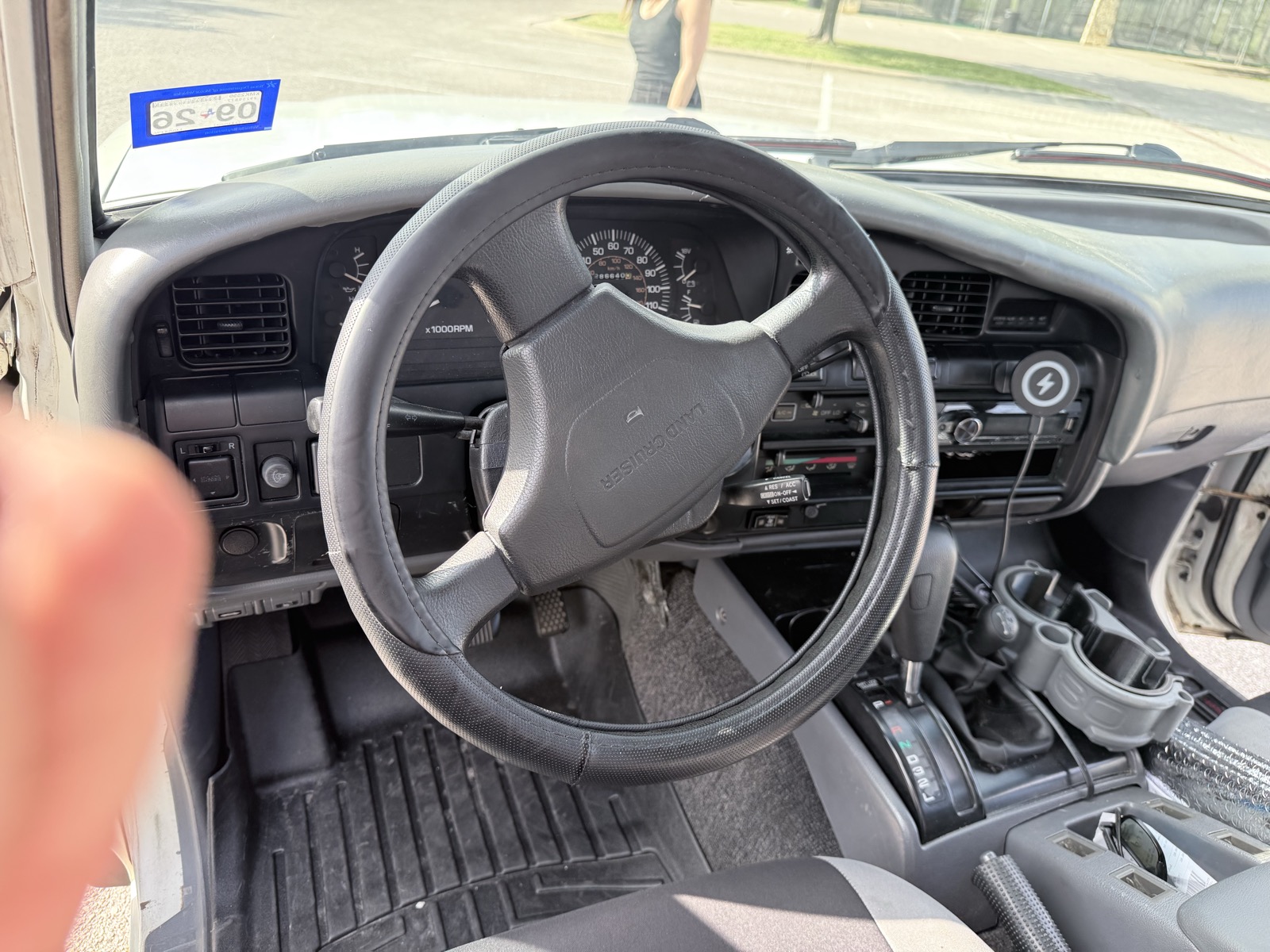
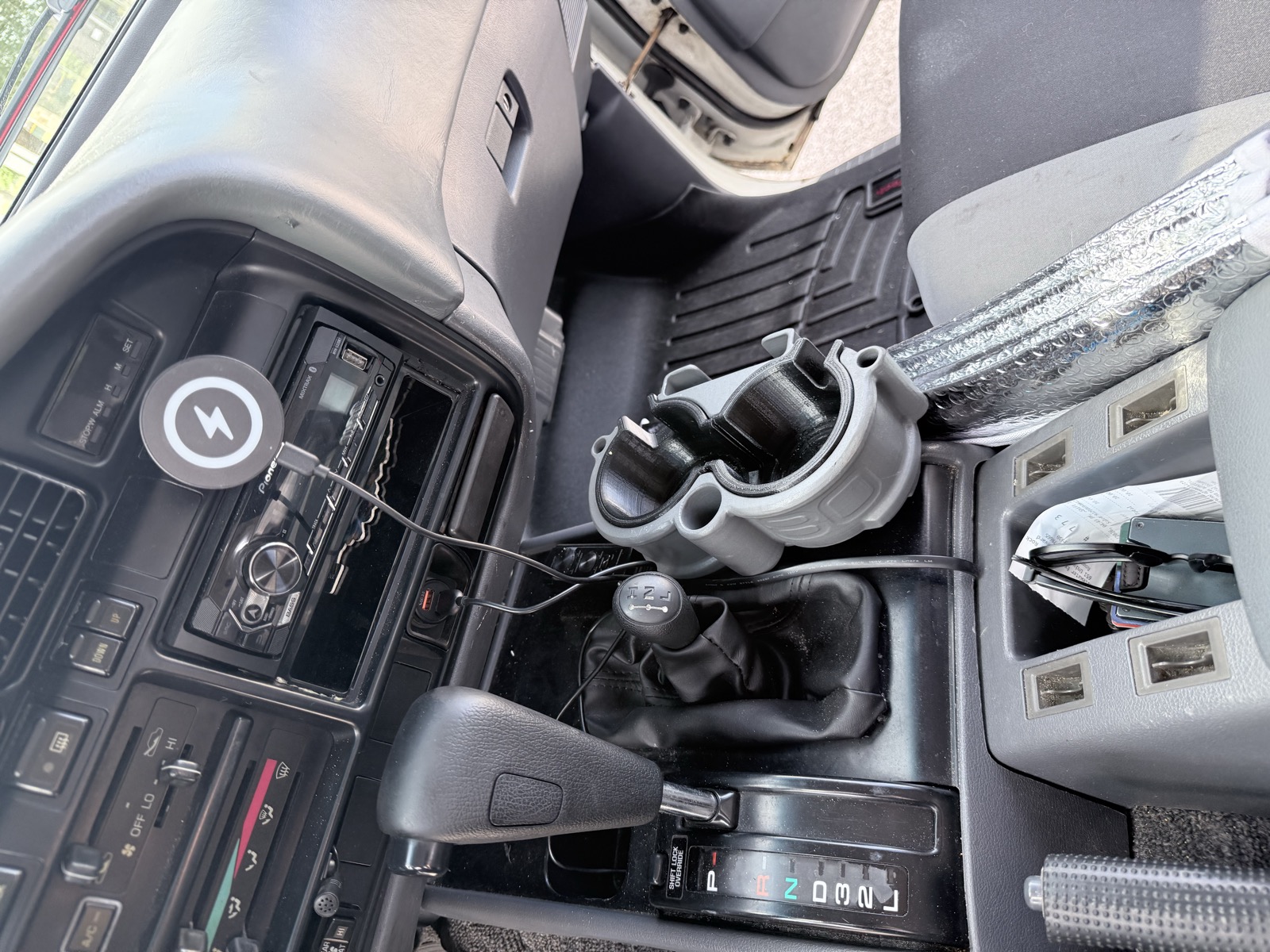
The last great Land Cruiser.
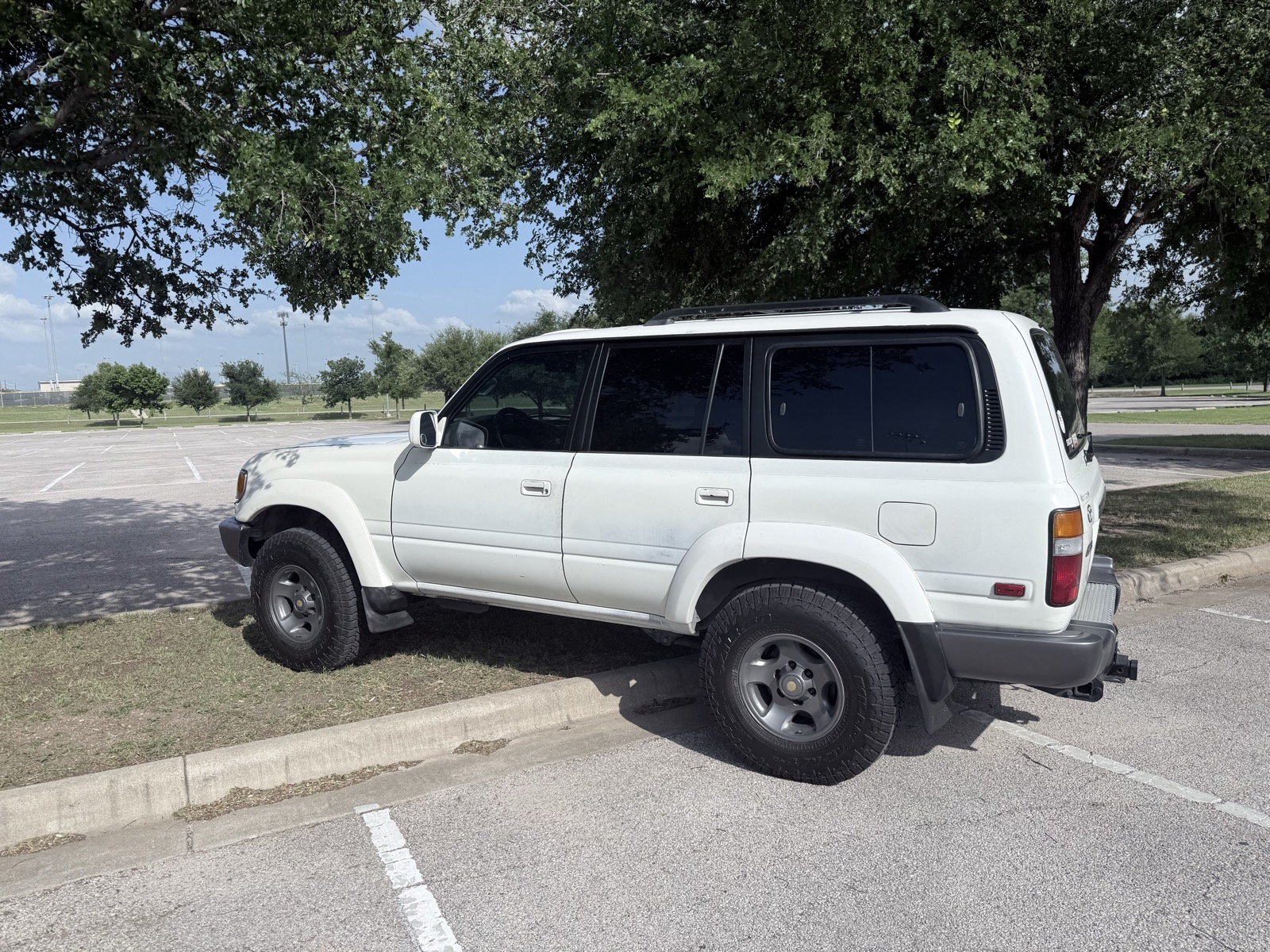
Before the Land Cruiser became a $90,000 leather-lined status symbol, it was a tool. The 80-series — produced from 1990 through 1997 — is the high-water mark of that lineage. This is one of them.
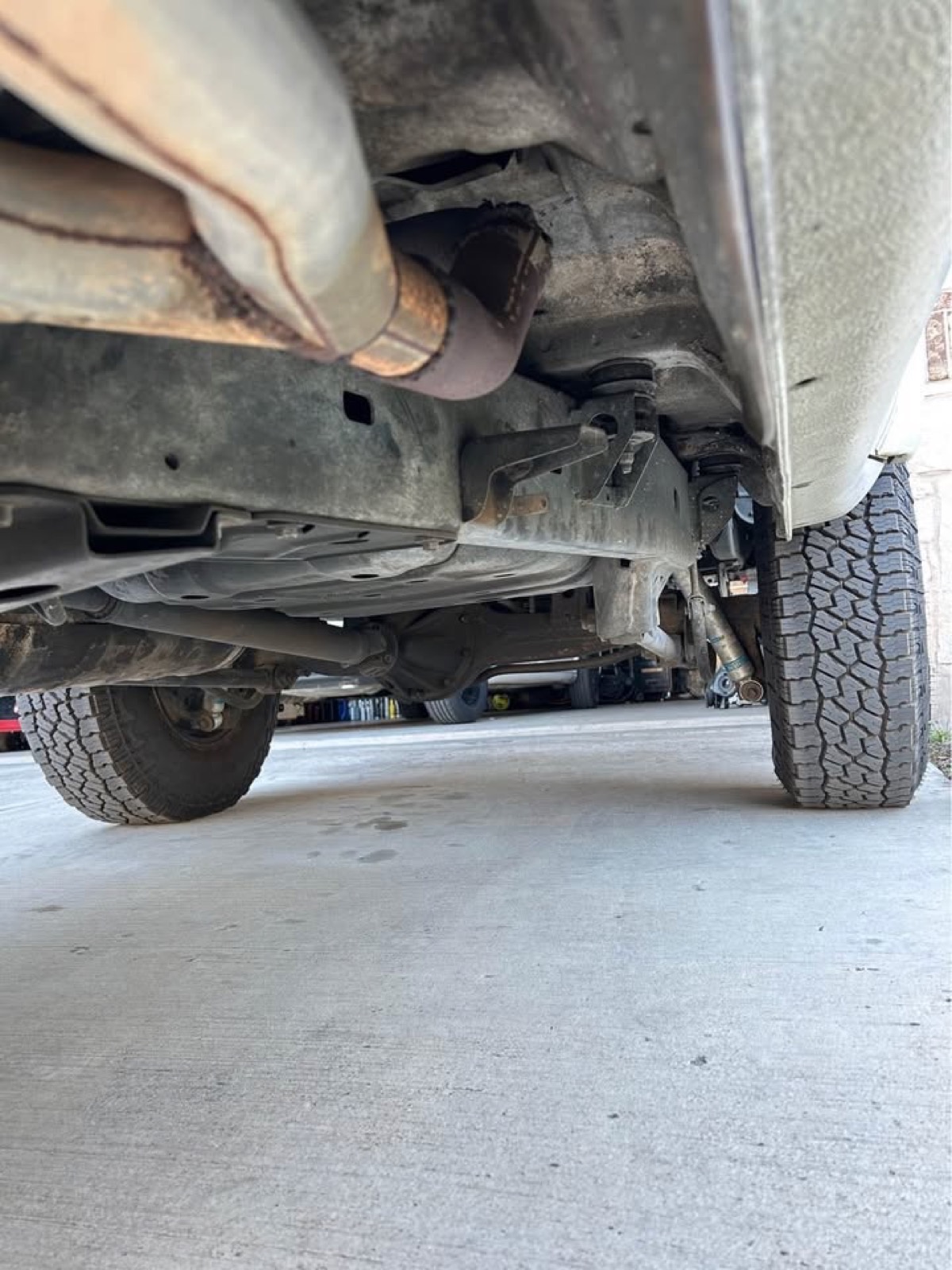
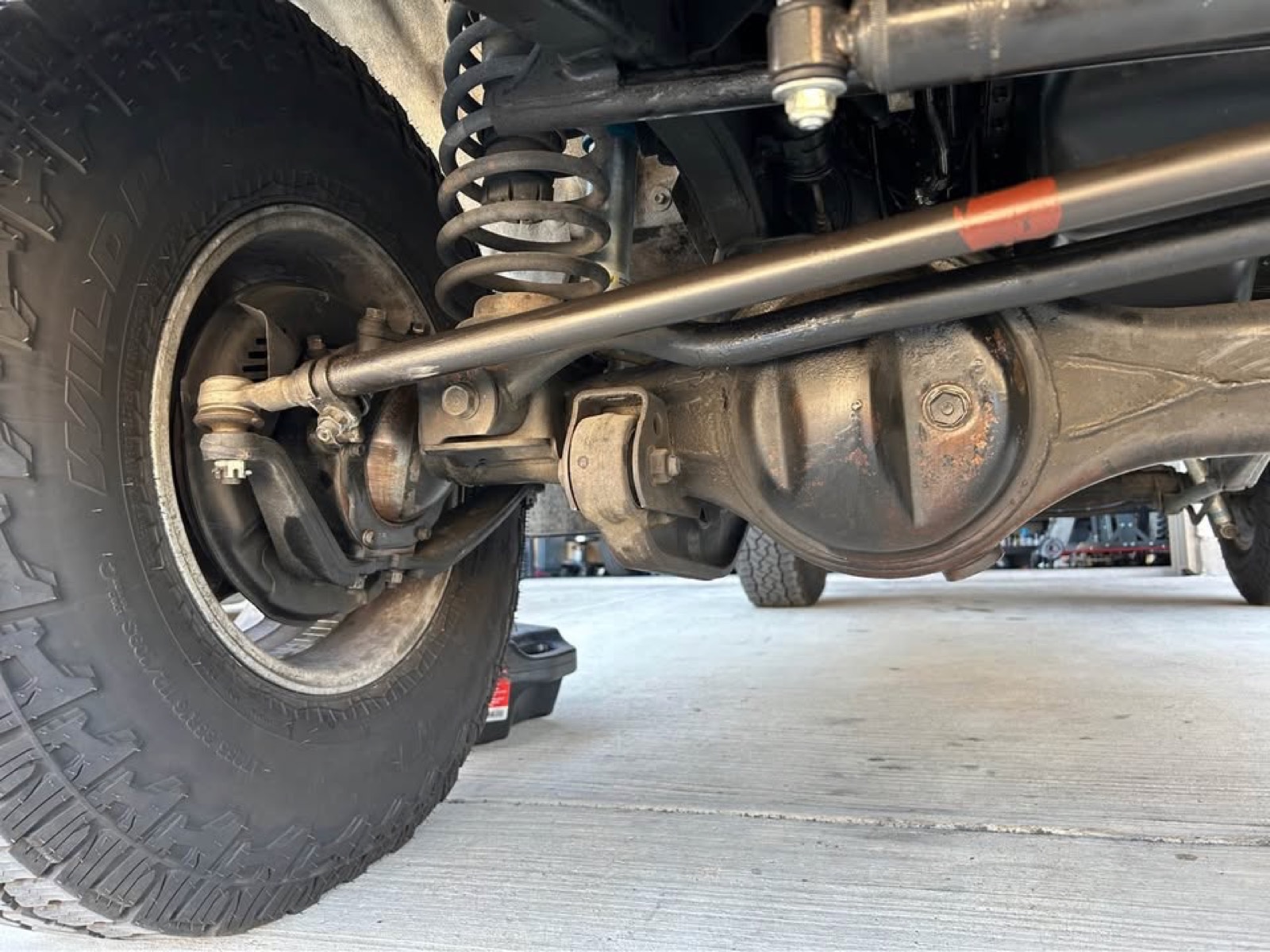
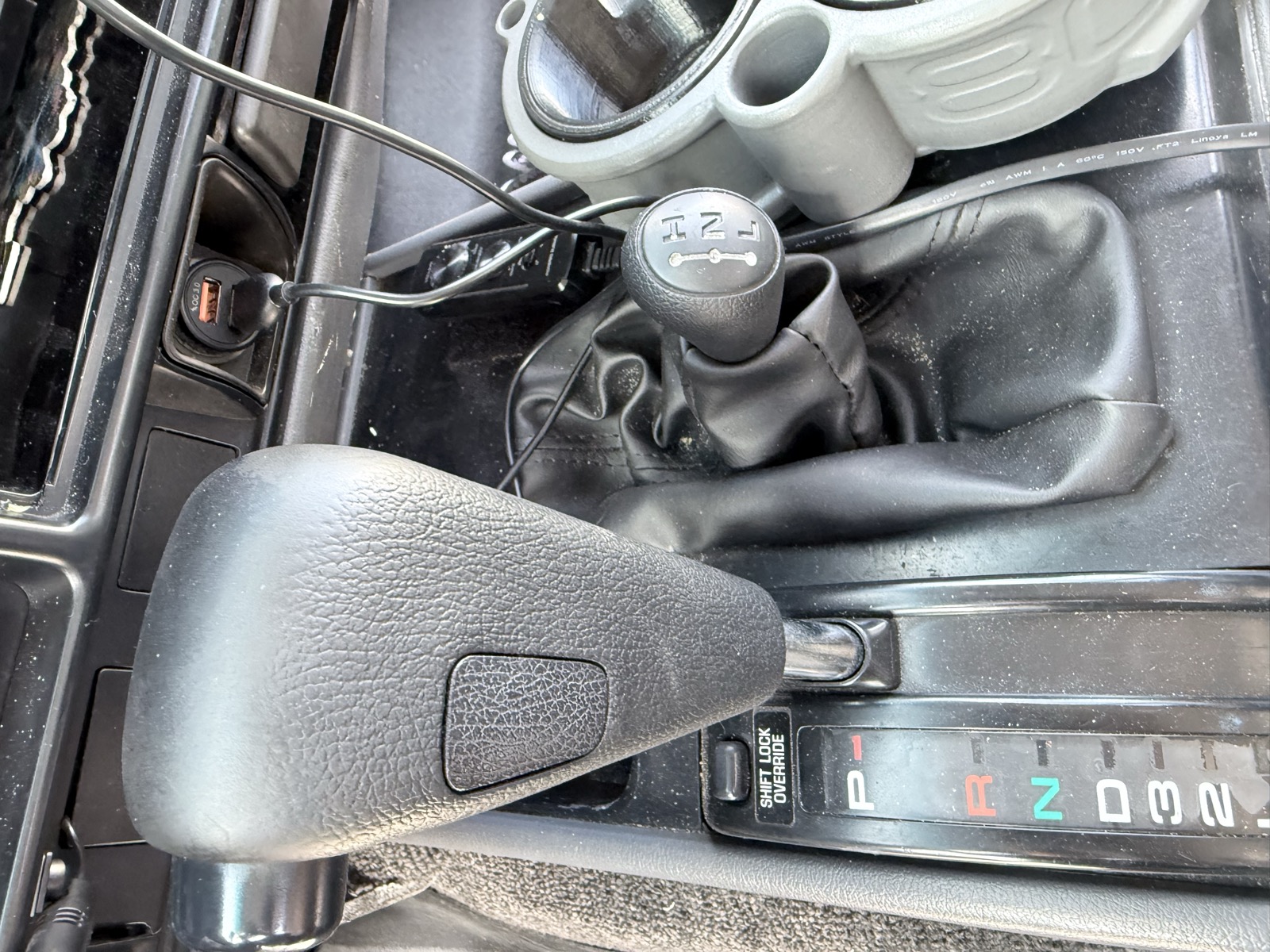
Toyota didn't design the 80-series to compete with American SUVs. It designed it to outlast them. The platform was built around a fully boxed steel ladder frame, solid axles front and rear, full-time four-wheel drive with a driver-lockable center differential, and a coil-spring suspension that could absorb everything from washboard logging roads to expedition use in the Australian Outback. The UN bought them. The Red Cross bought them. Mining companies bought them. So did people who just understood what they were looking at.
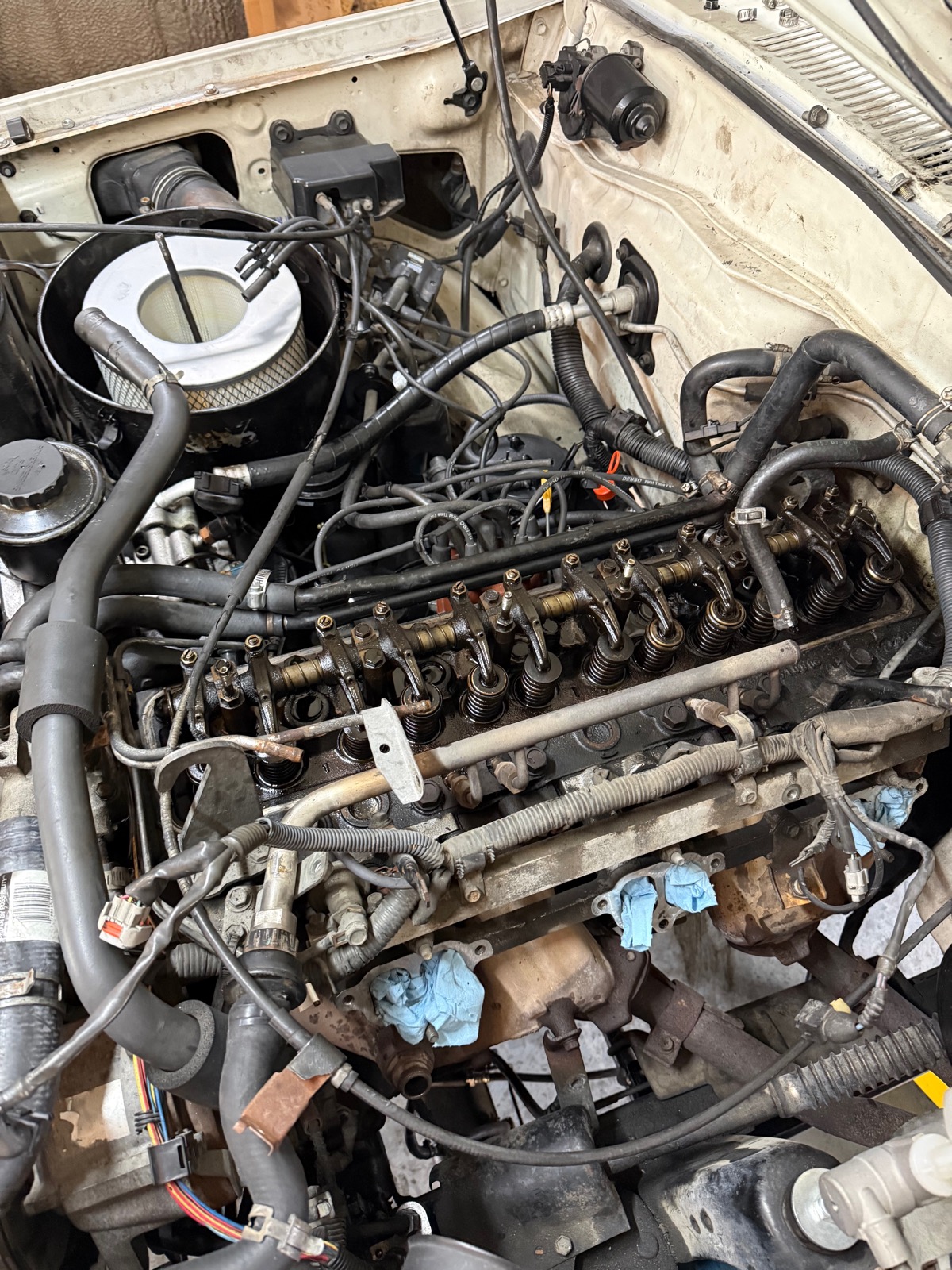
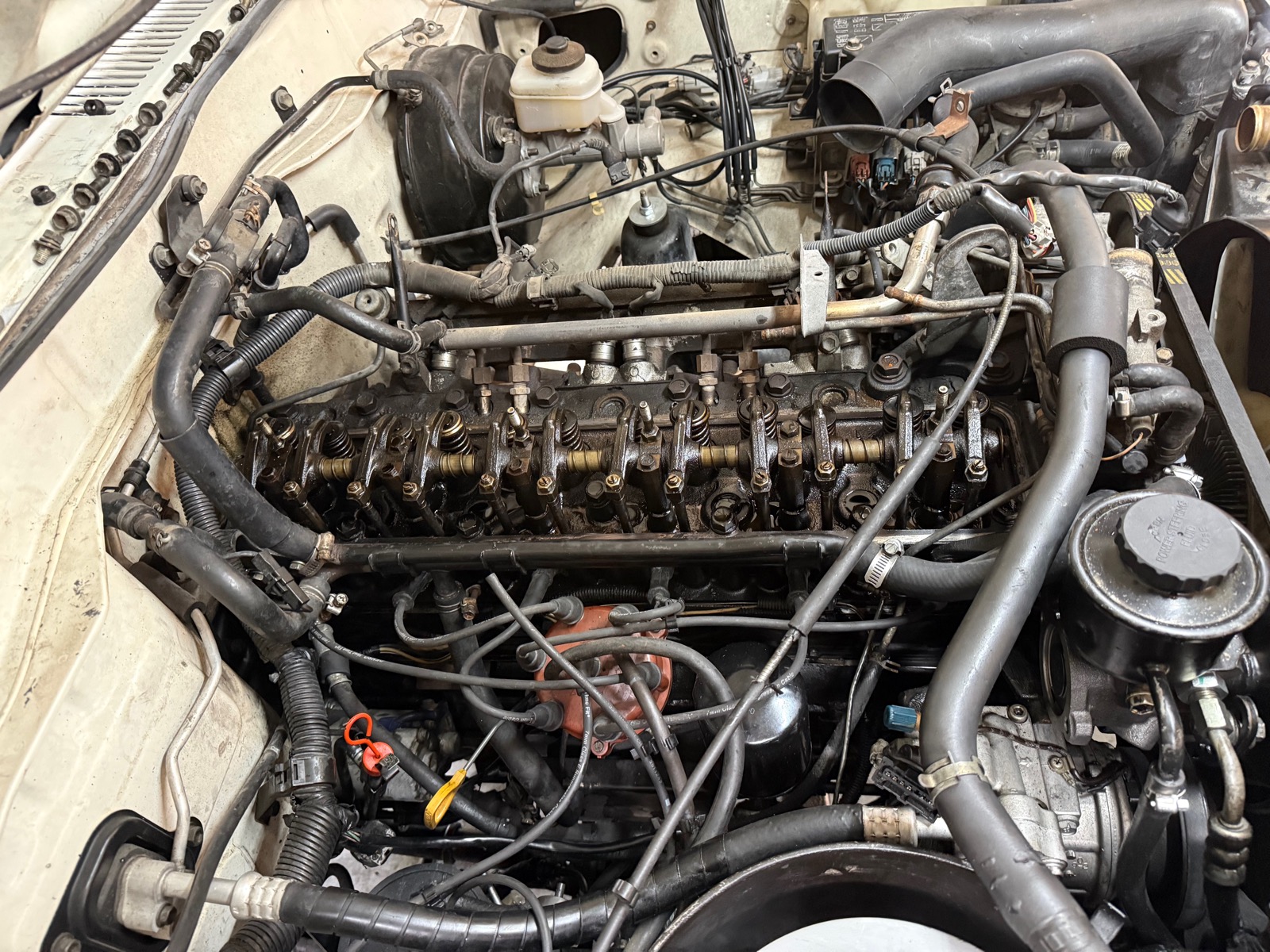
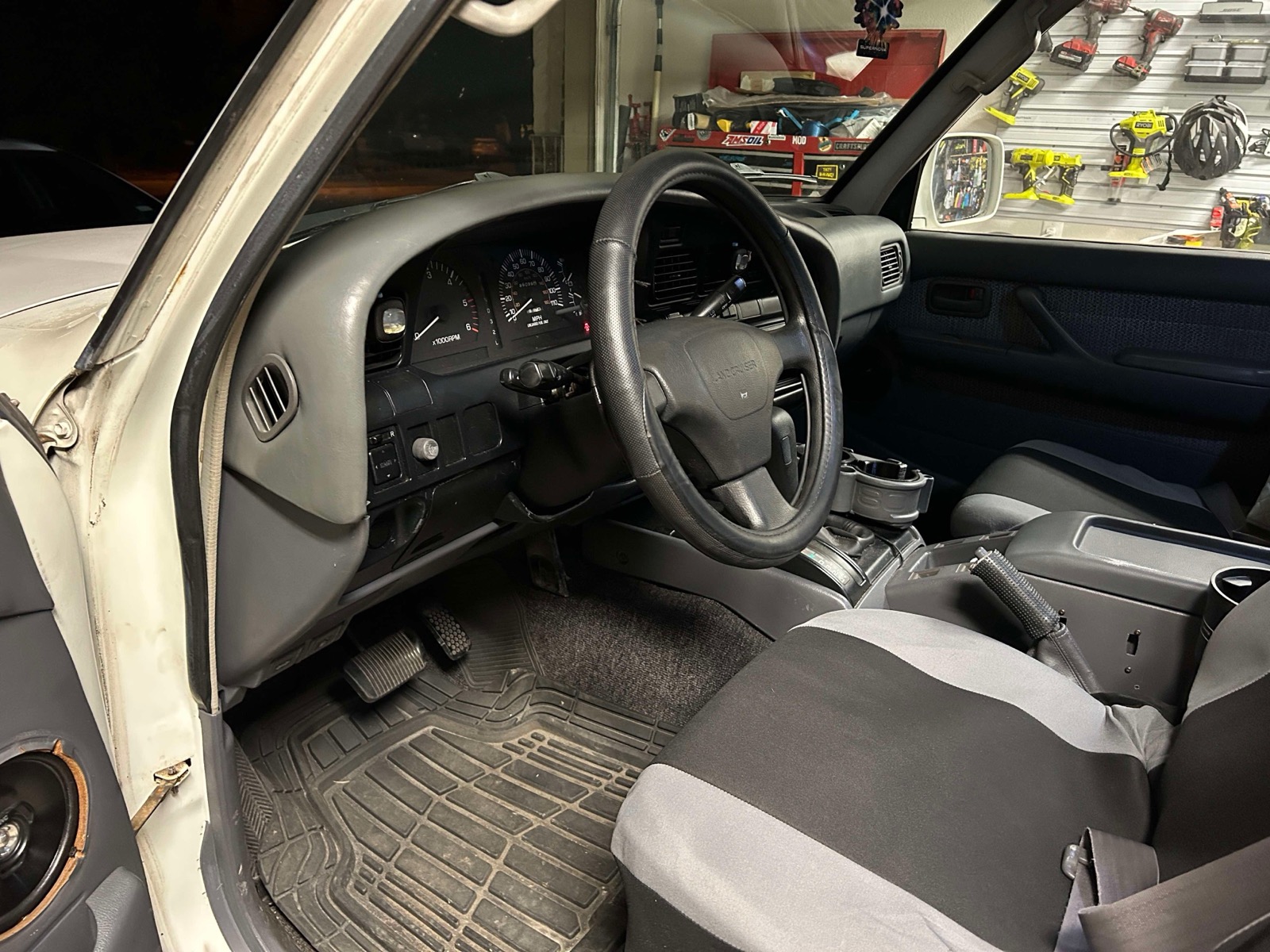
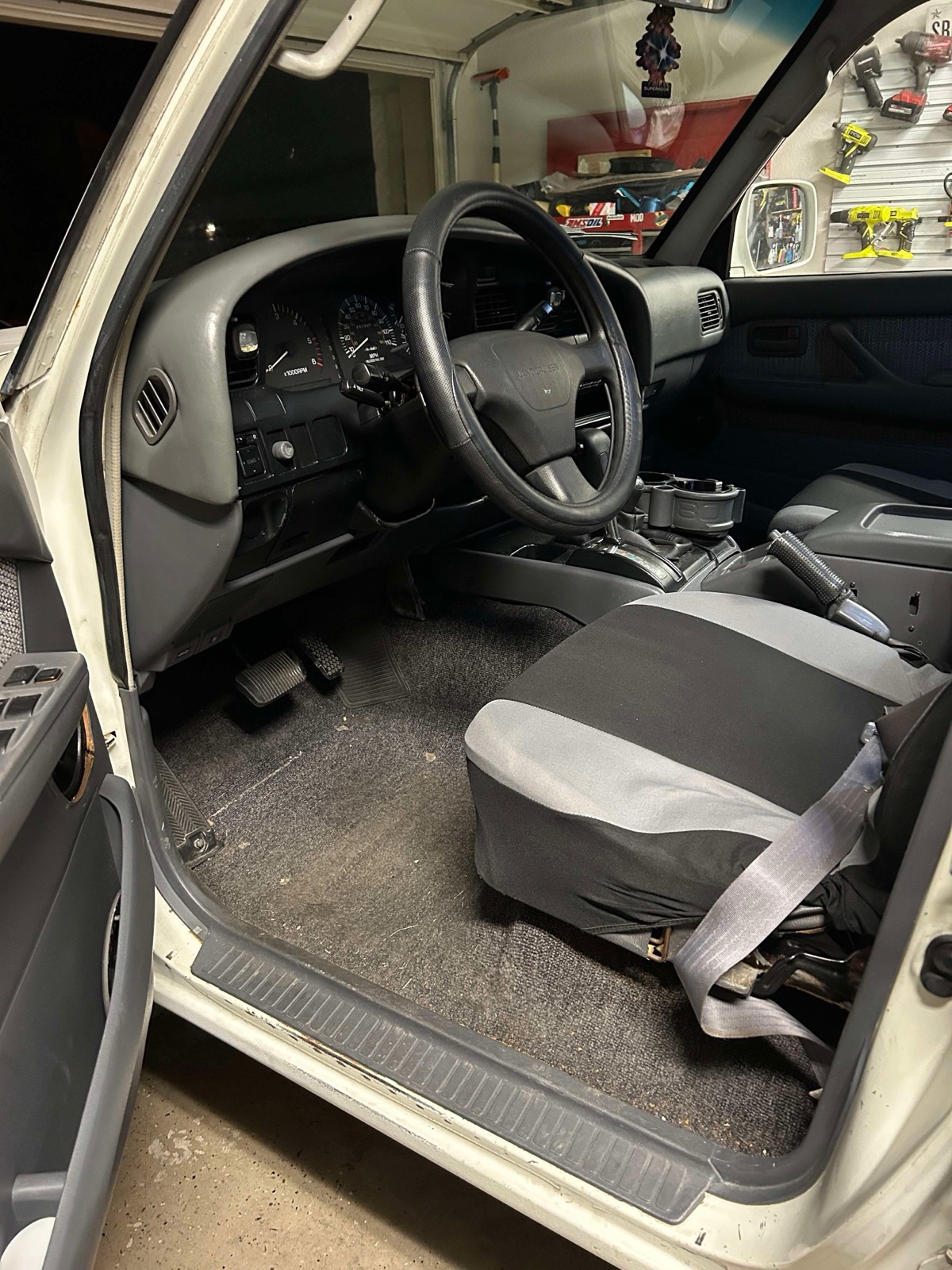
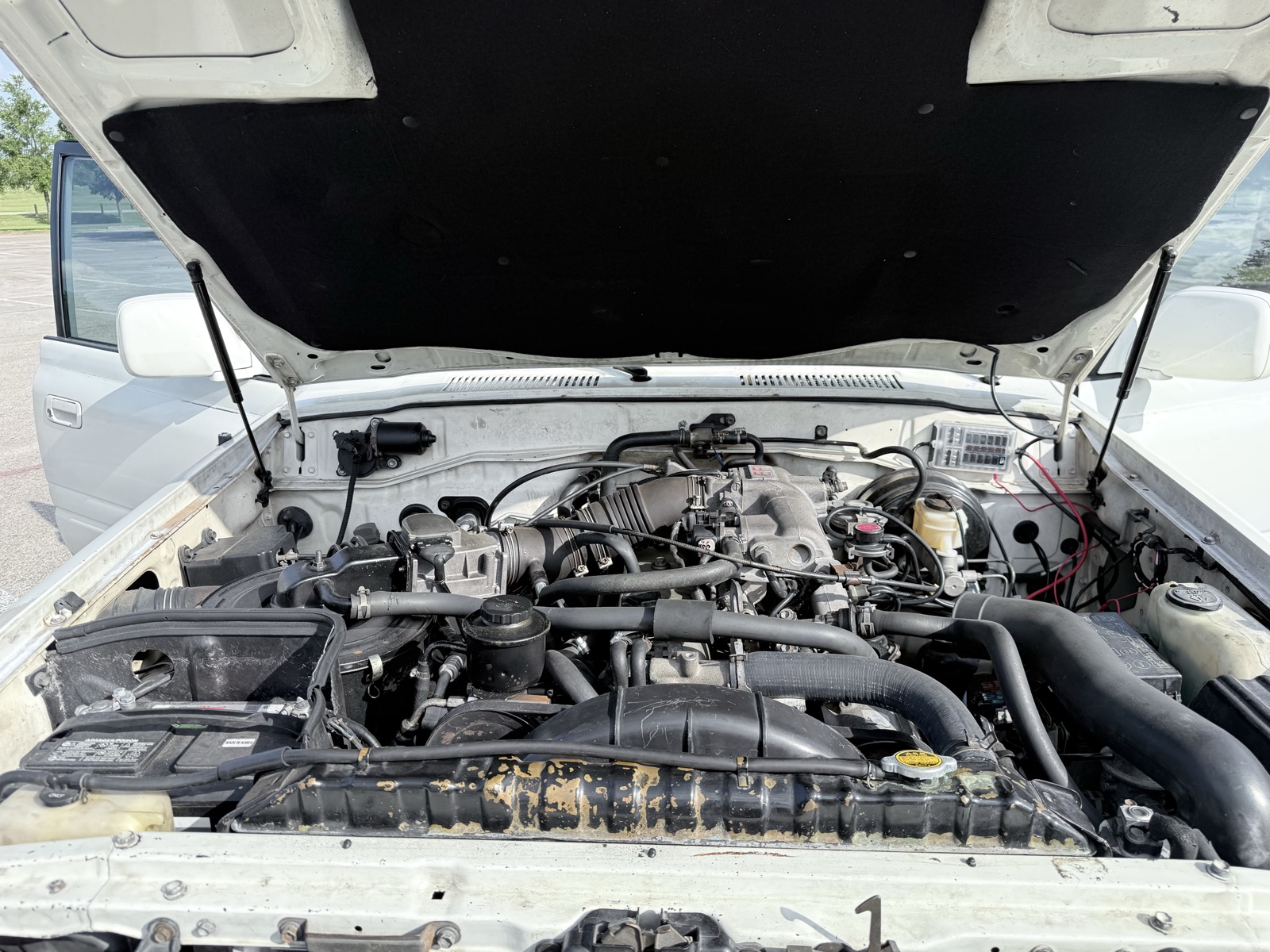
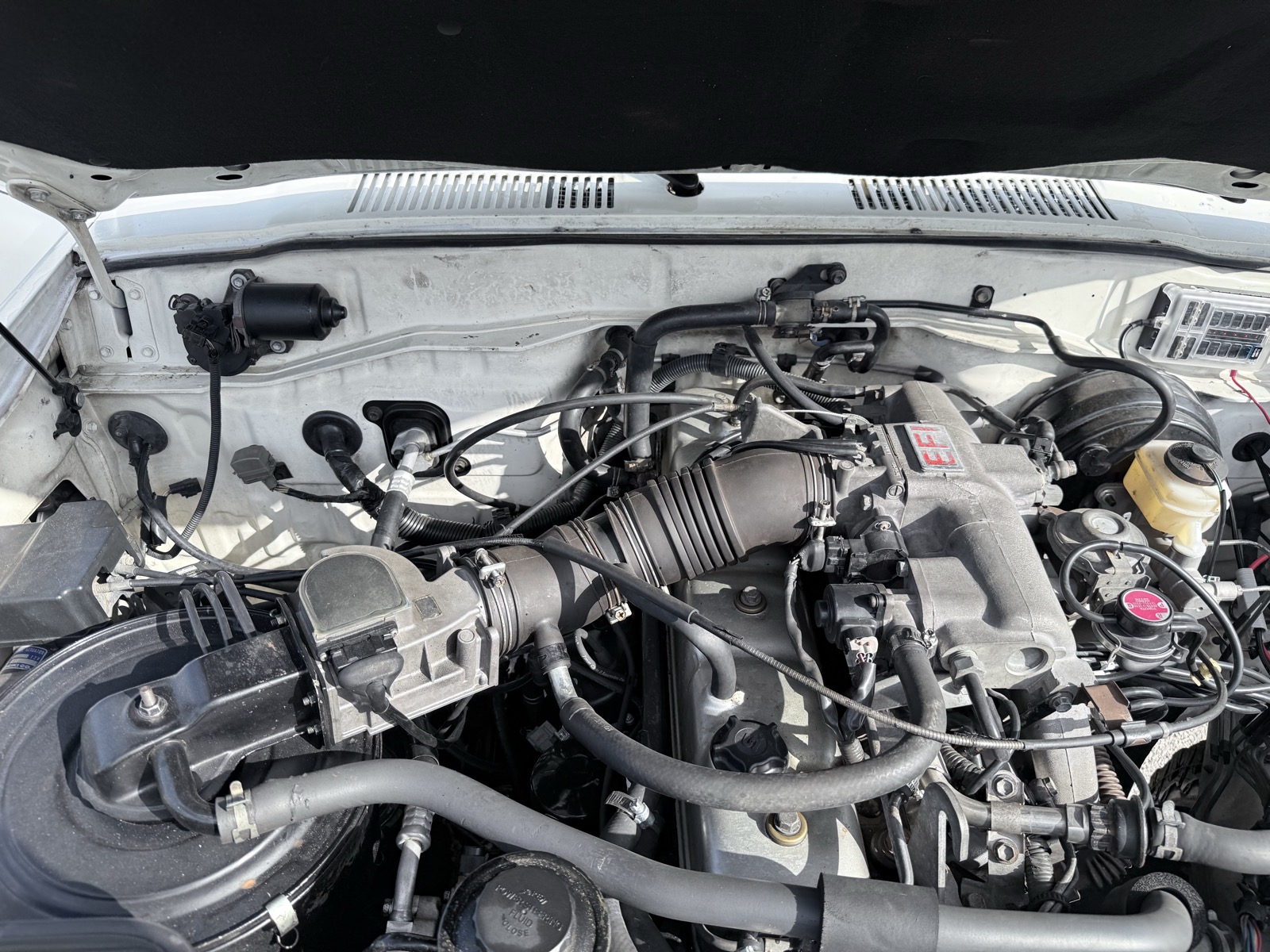
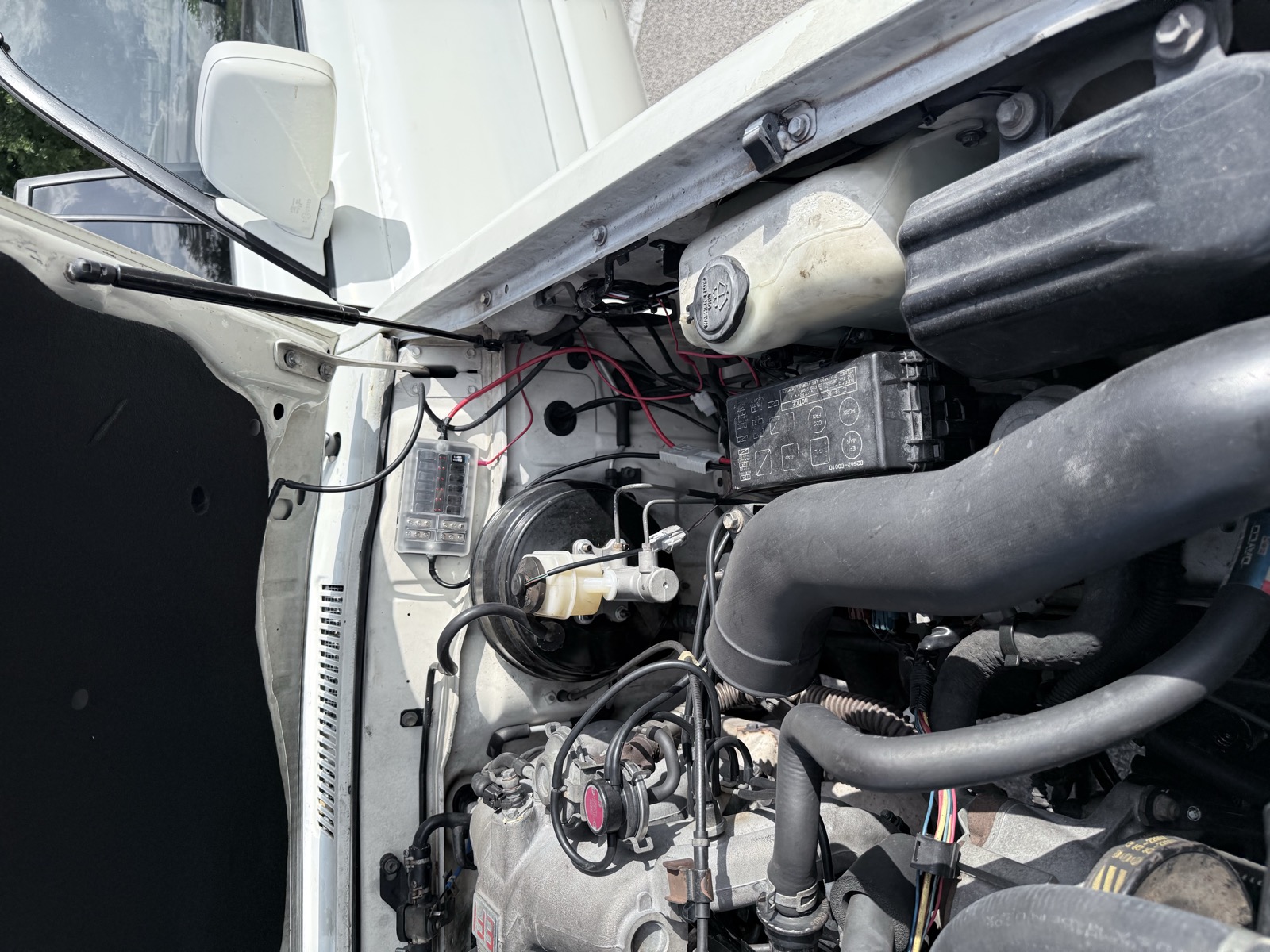
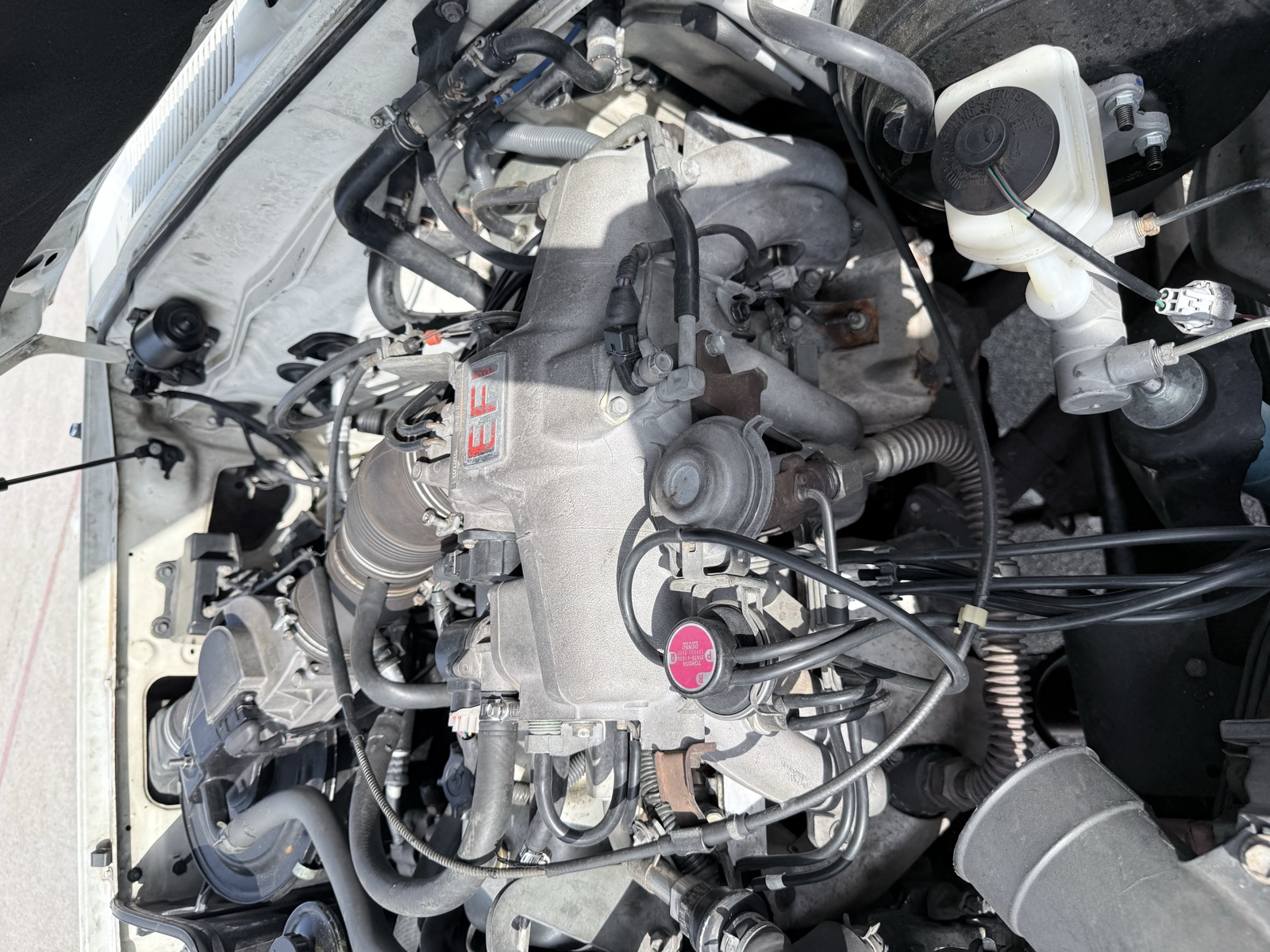
This truck — a 1991 — is from the first US model year of the 80-series. It runs the 3FE 4.0L inline-six, the fuel-injected evolution of the 2F that powered the 60 series. It's not fast. It is one of the most durable engines Toyota ever built, routinely seen at 300,000 miles and beyond. The transmission is the A440F four-speed automatic, the same heavy-duty unit Toyota used behind the FJ62.
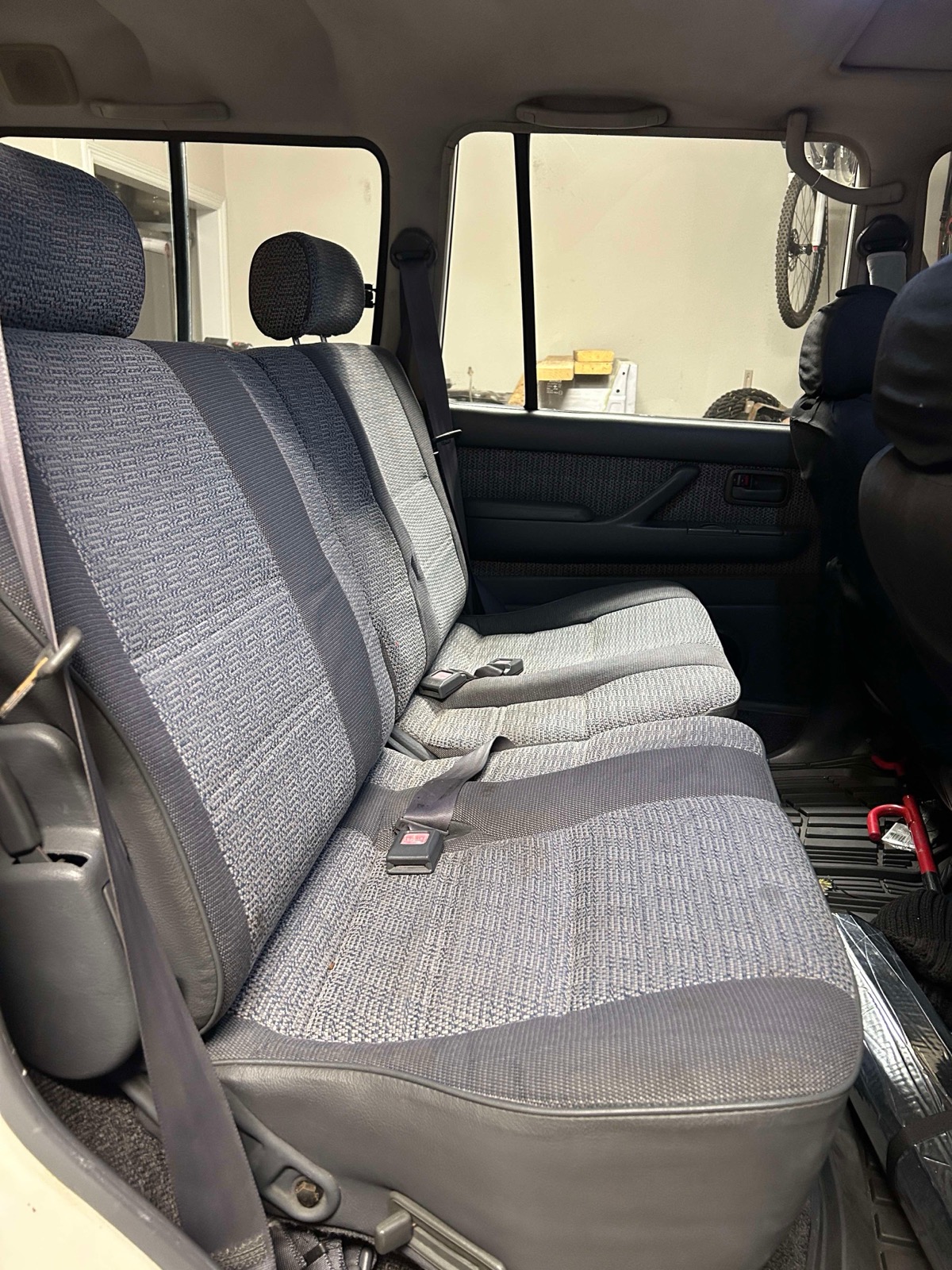
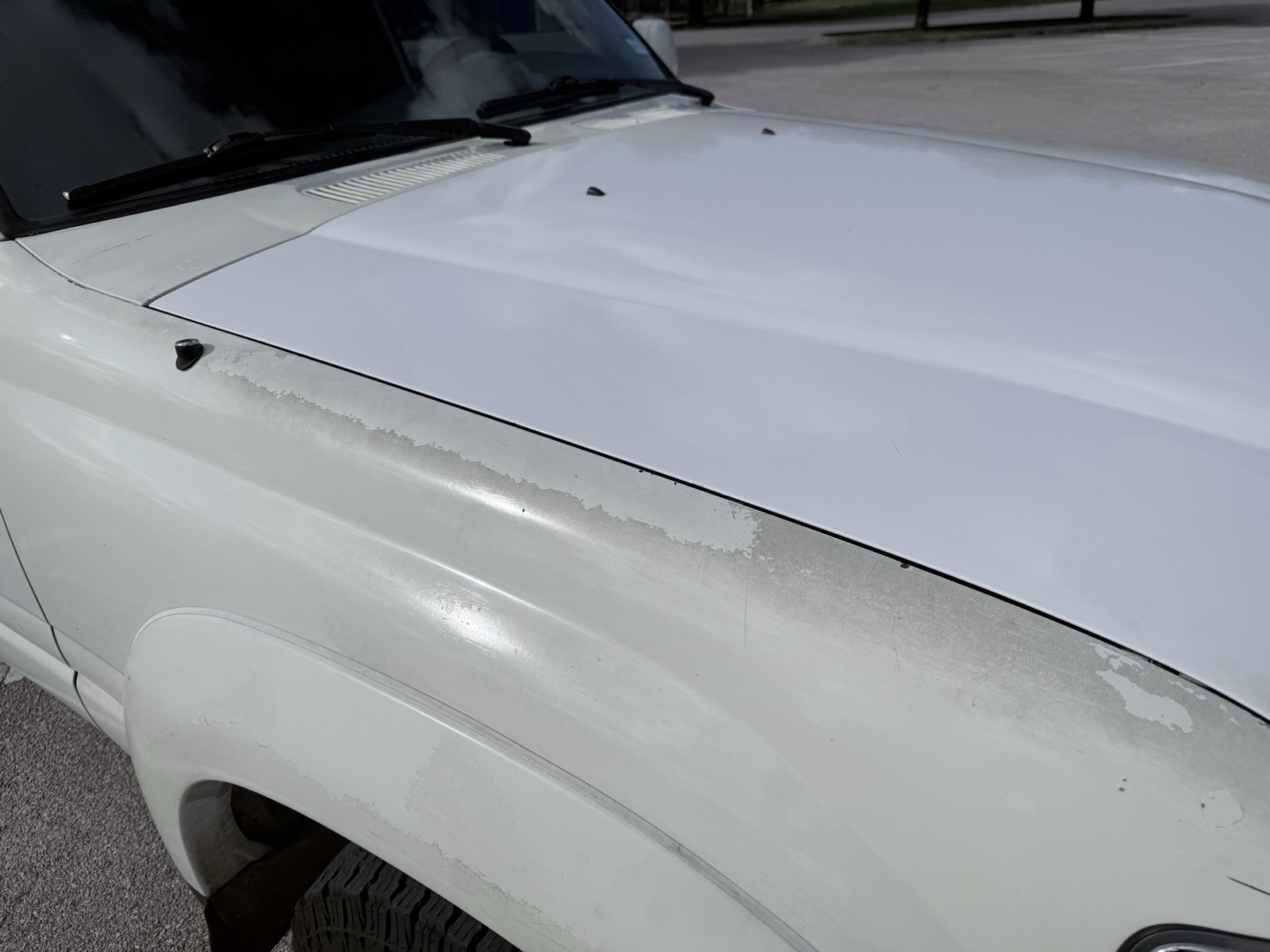
Clean, sorted 80-series examples have been quietly appreciating for years. Concours-grade trucks now trade well into the thirties; honest, rust-free, mechanically sorted drivers — like this one — anchor the market. The rust-belt FJ80s are, by and large, gone. What's left in dry states is finite, and getting more so every year.
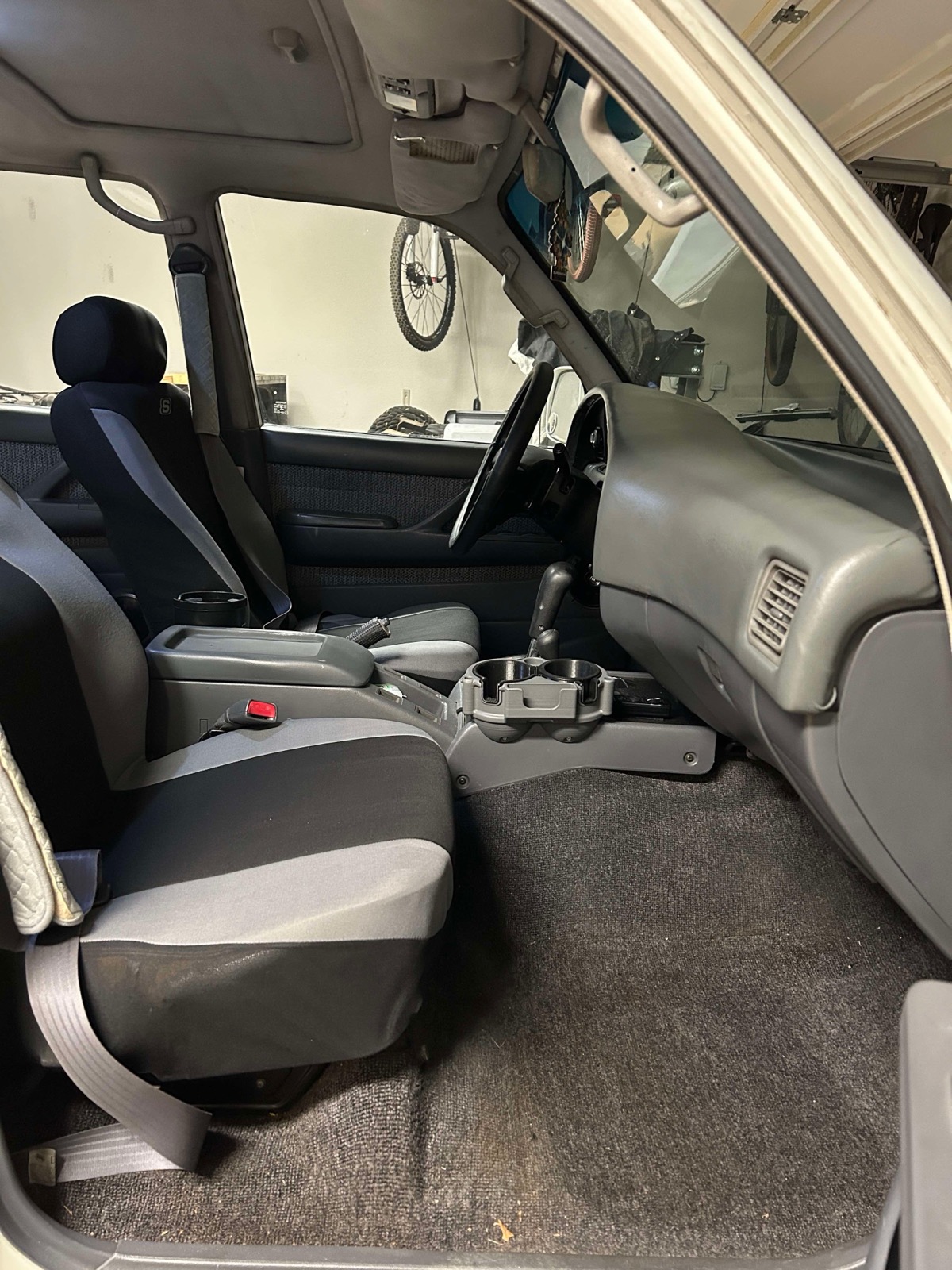
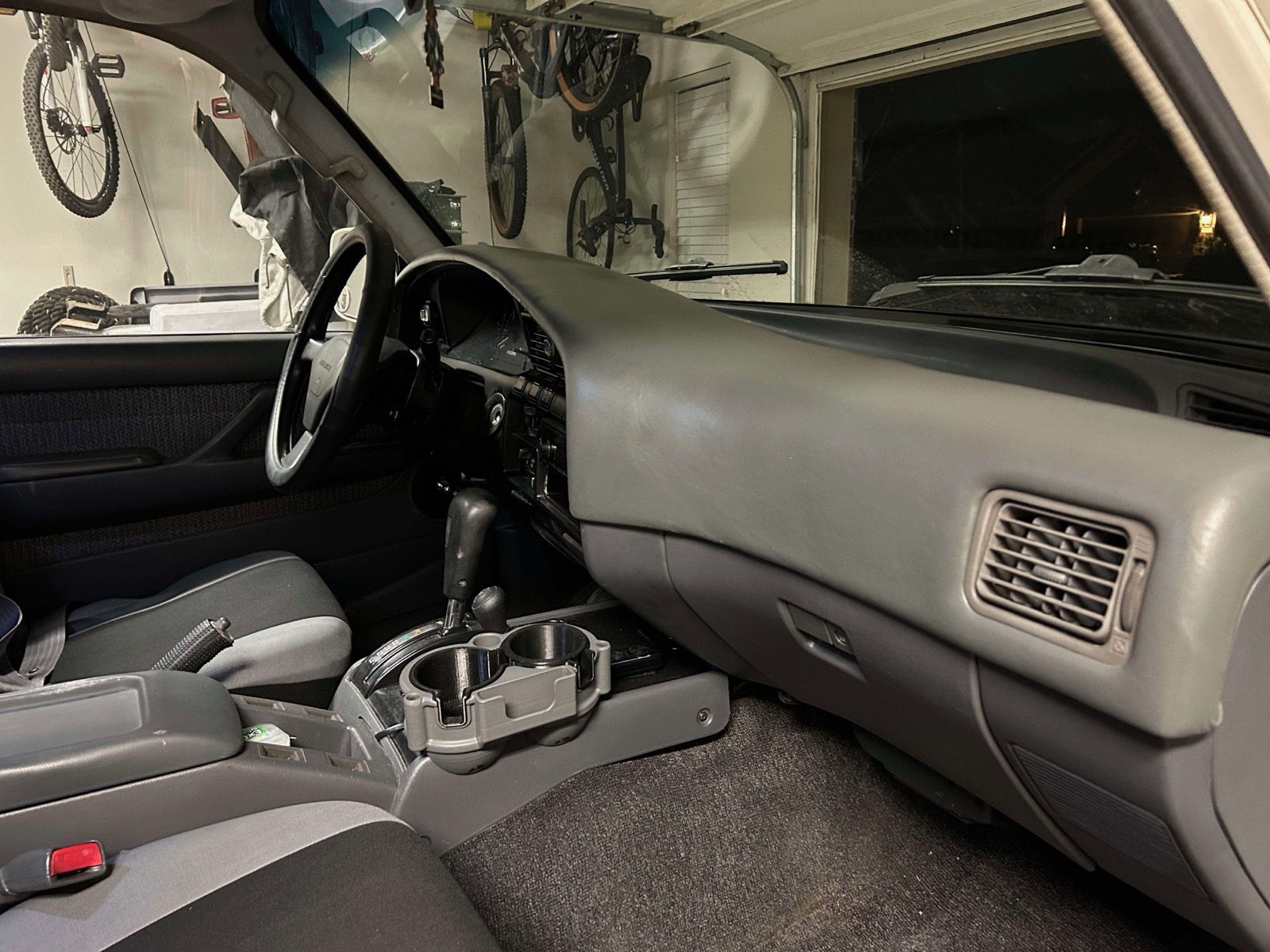
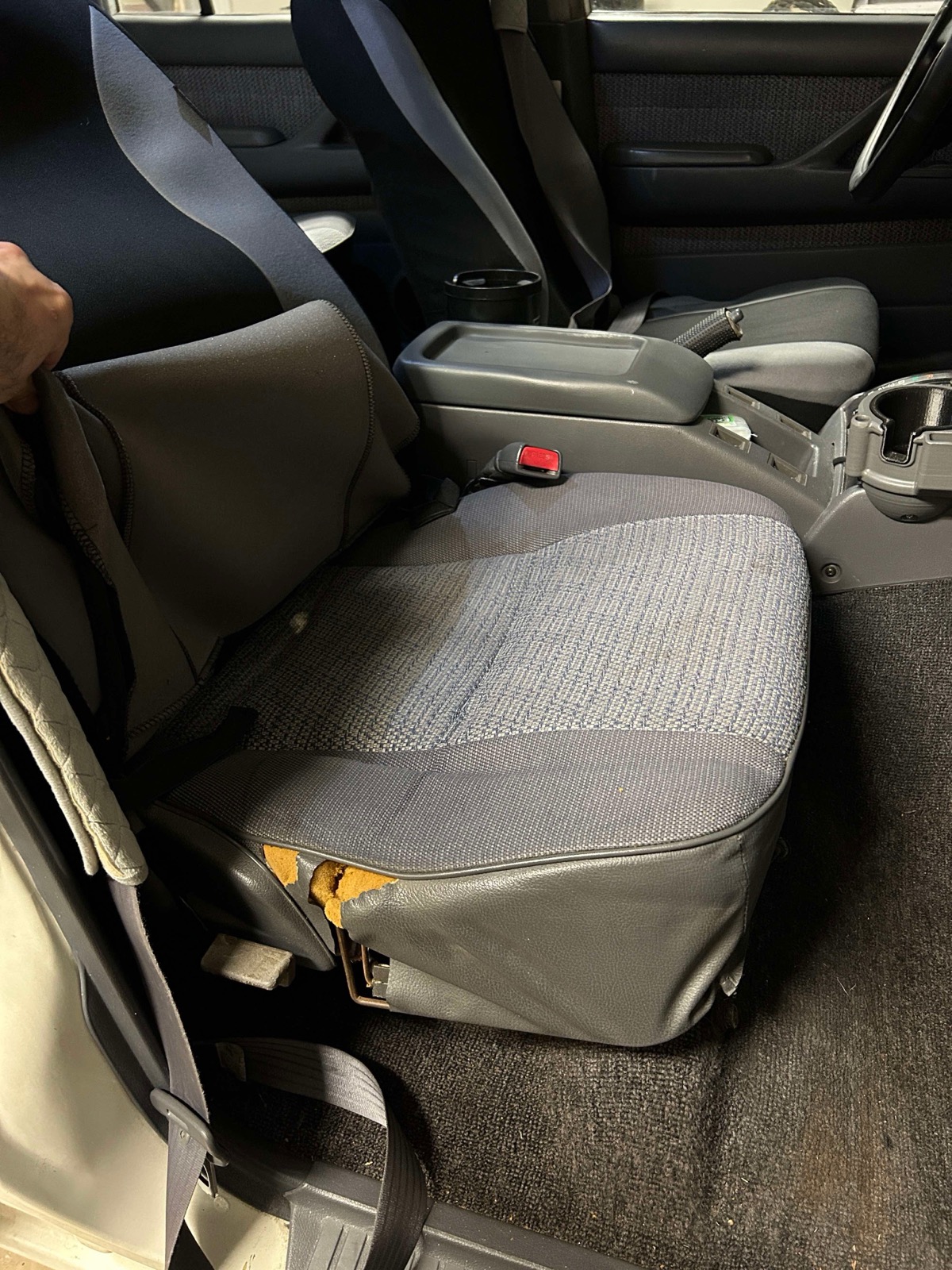
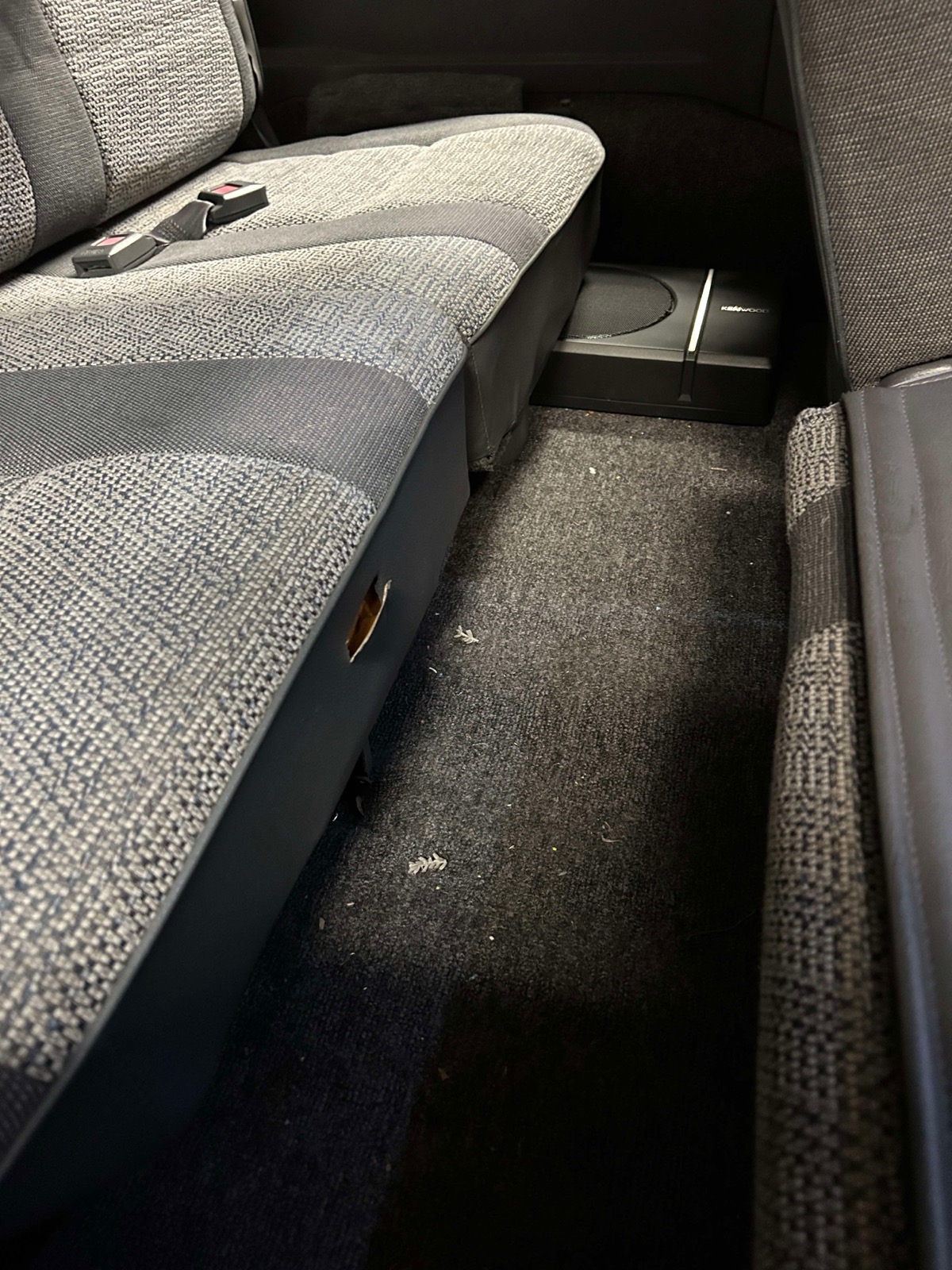
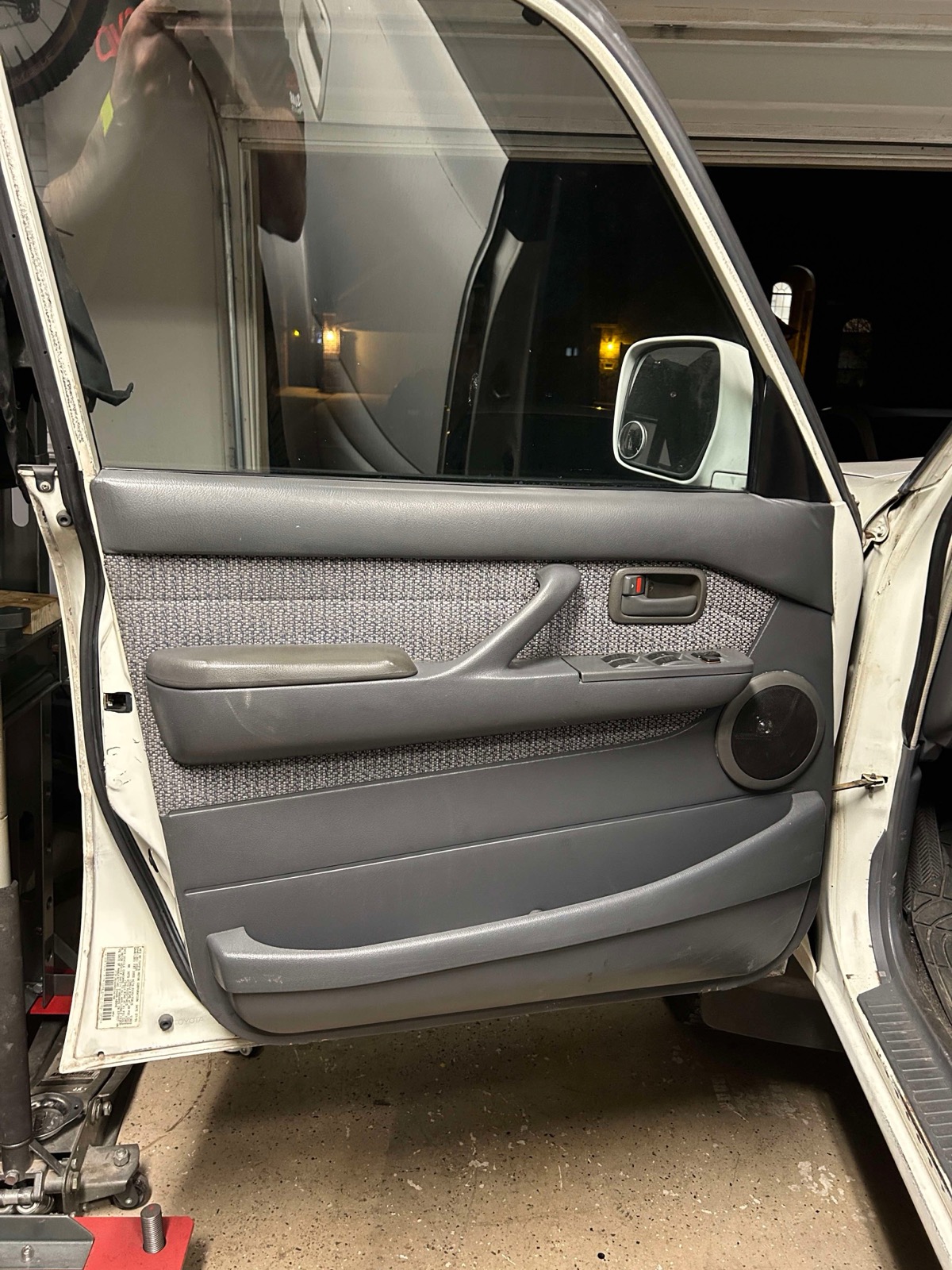
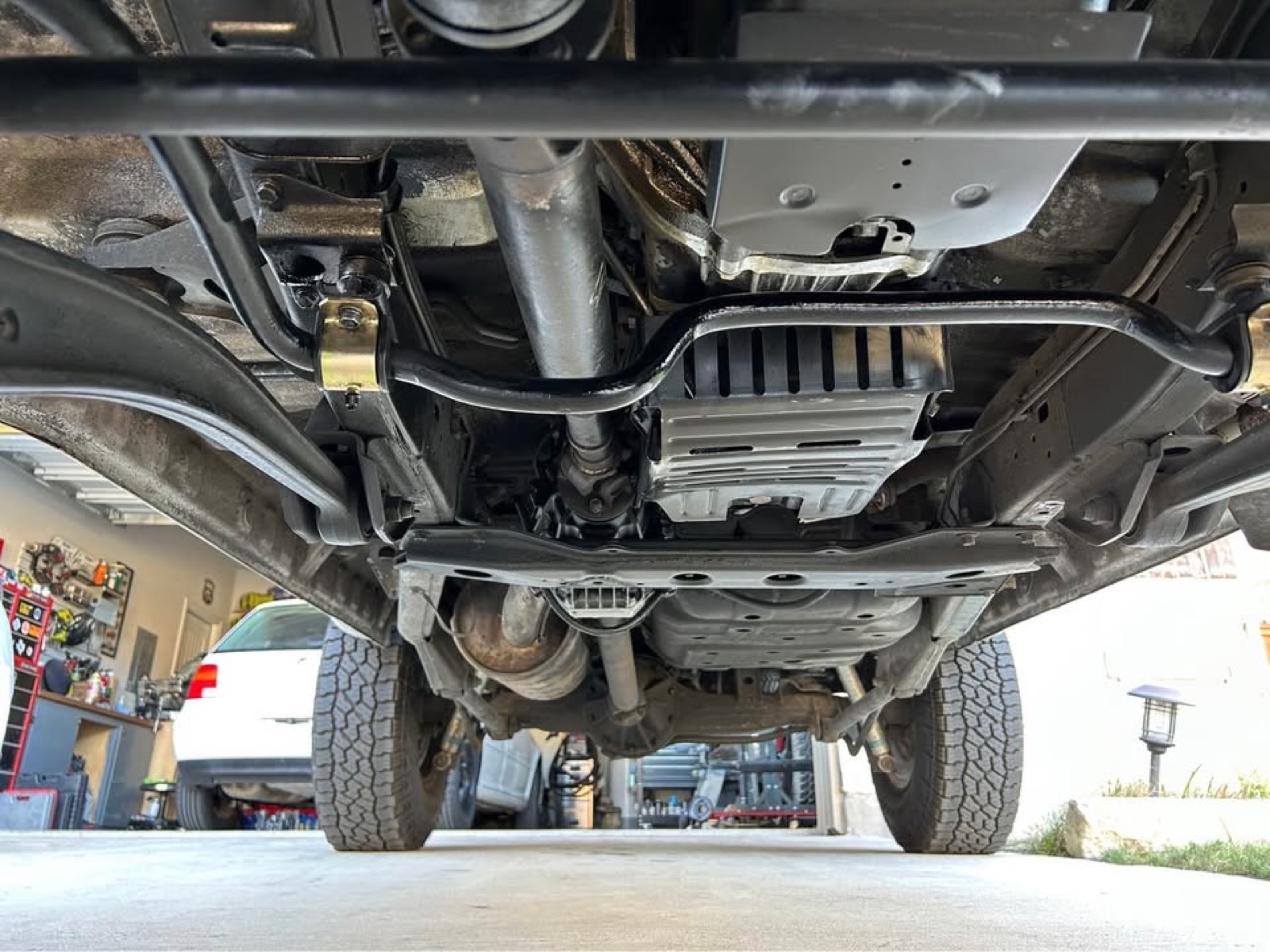
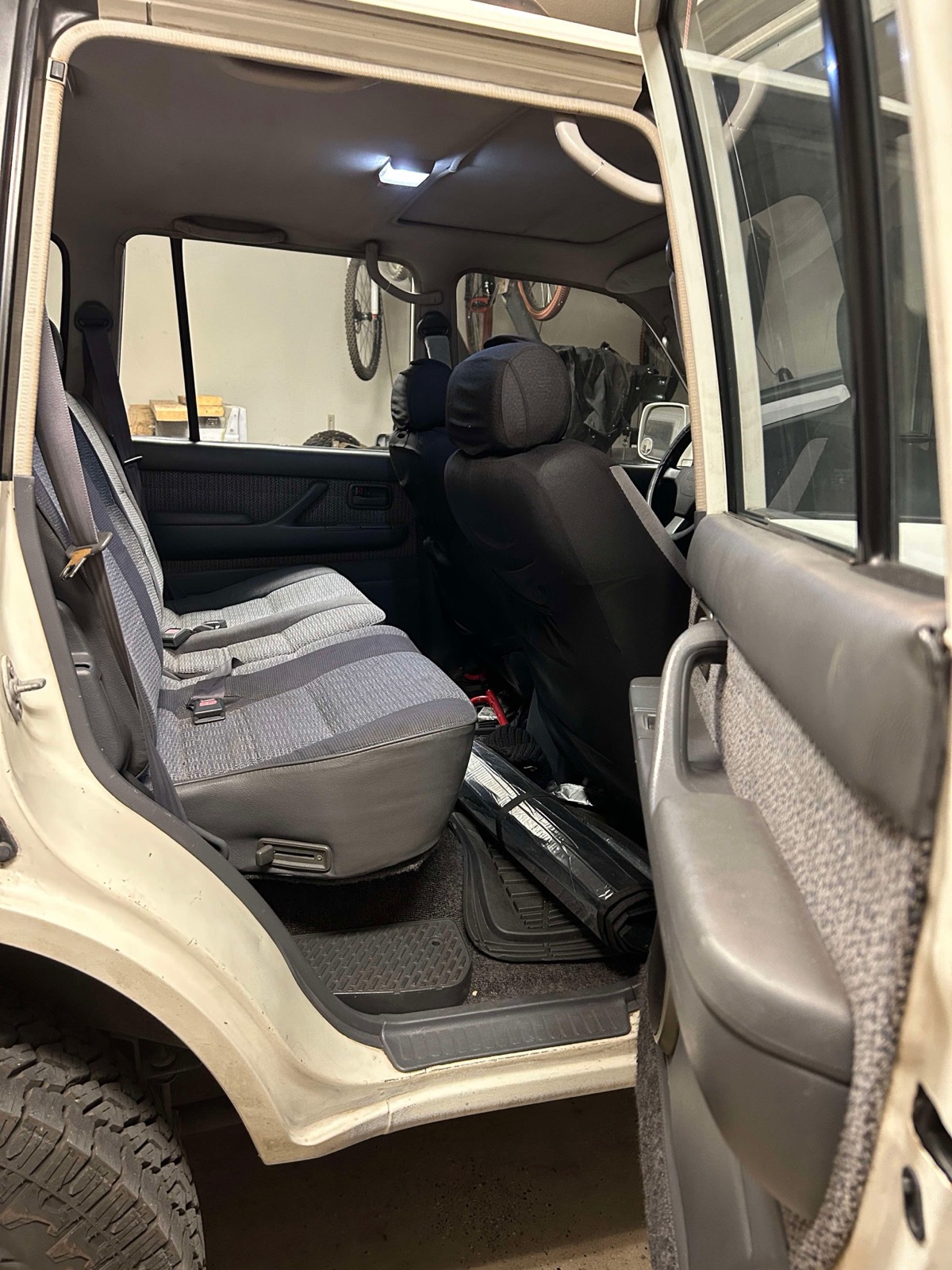
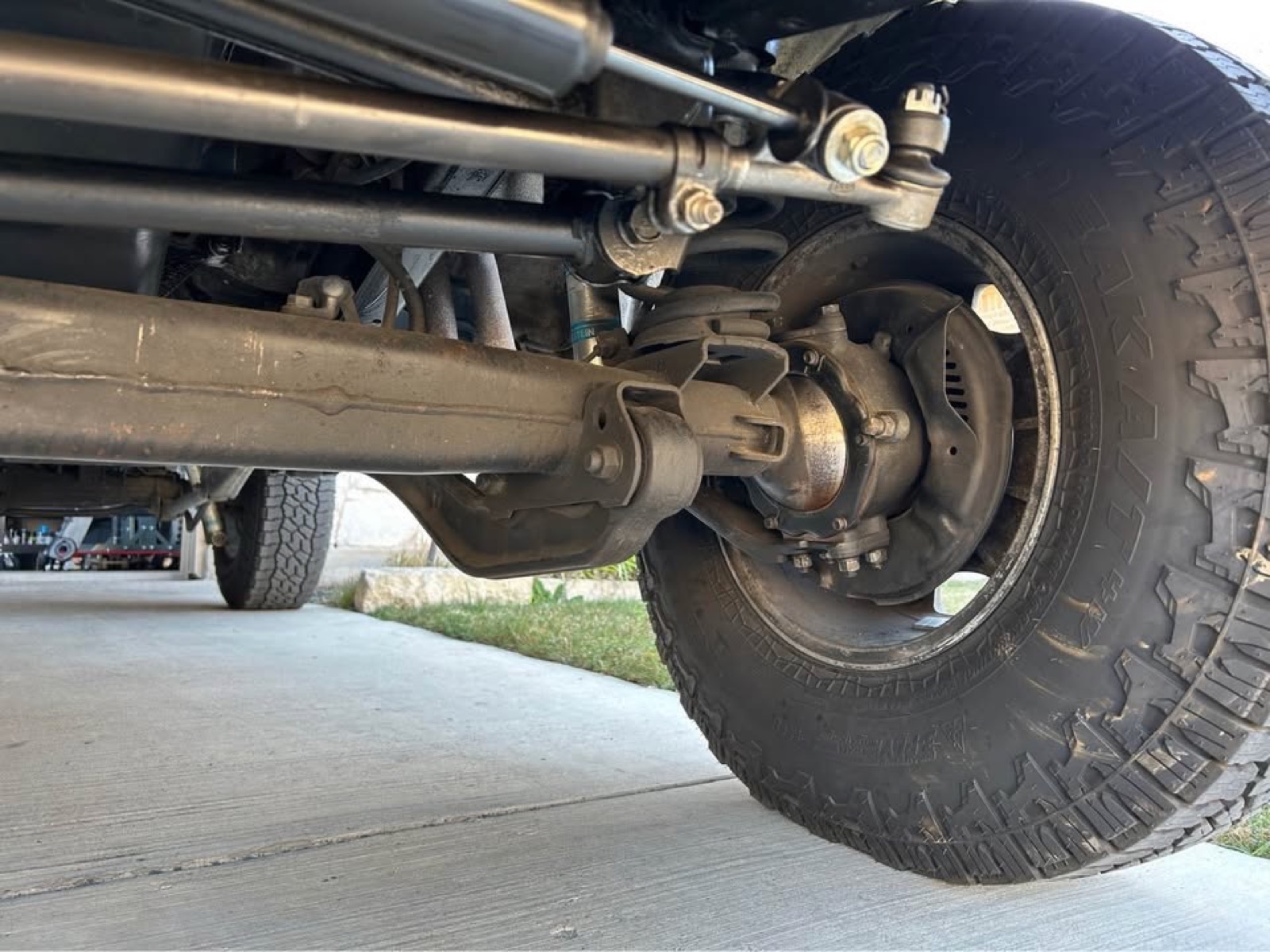
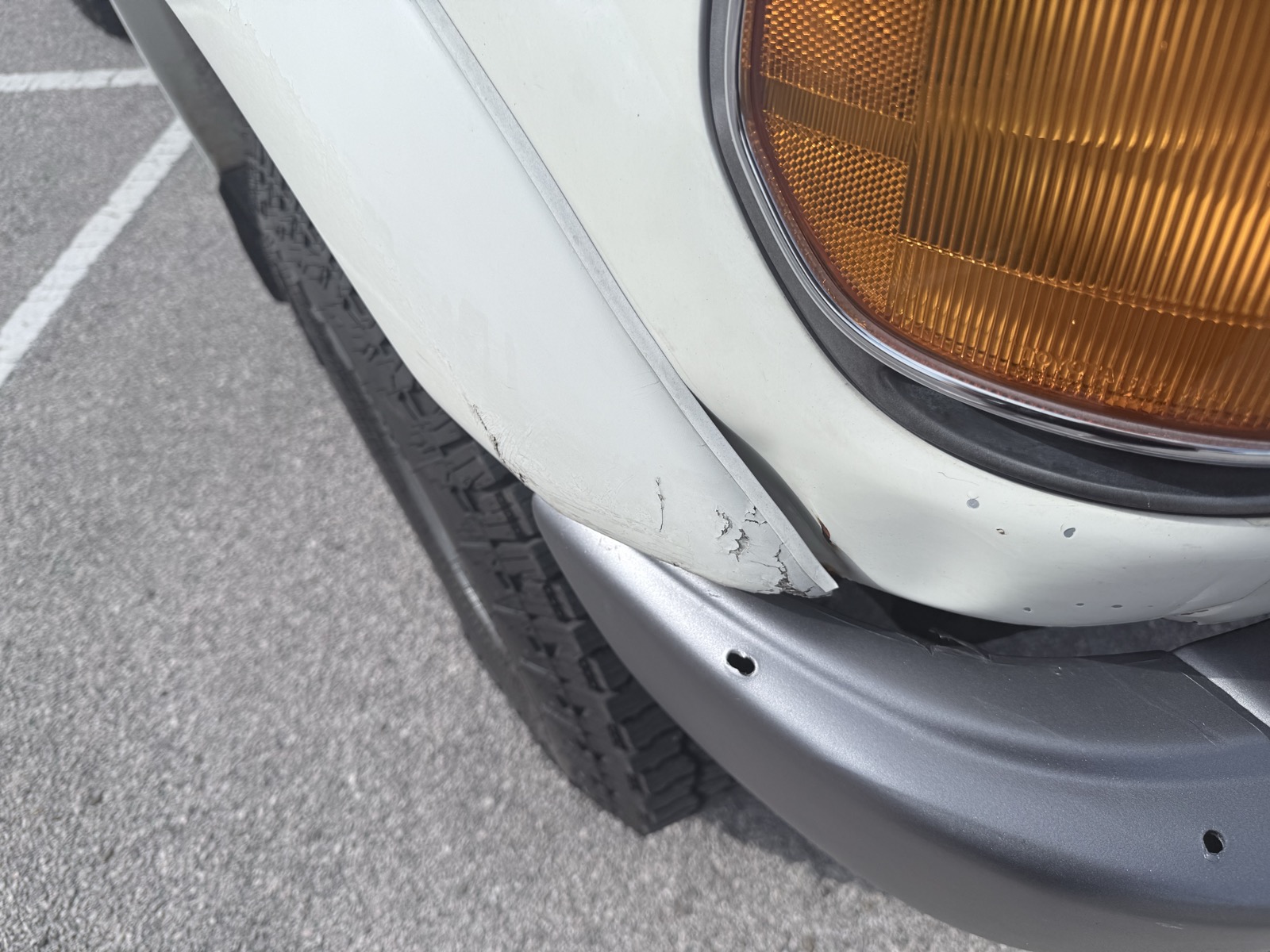
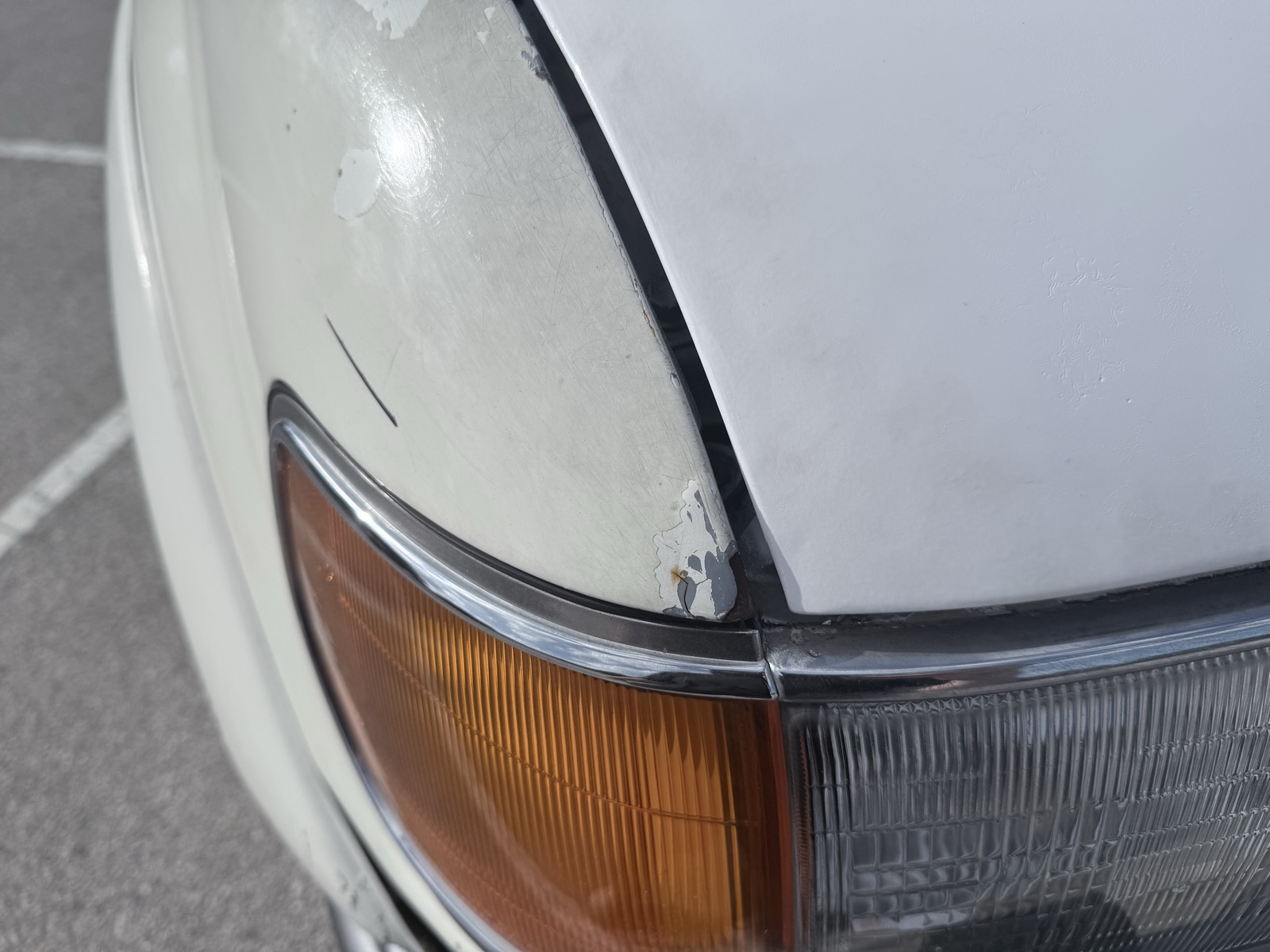
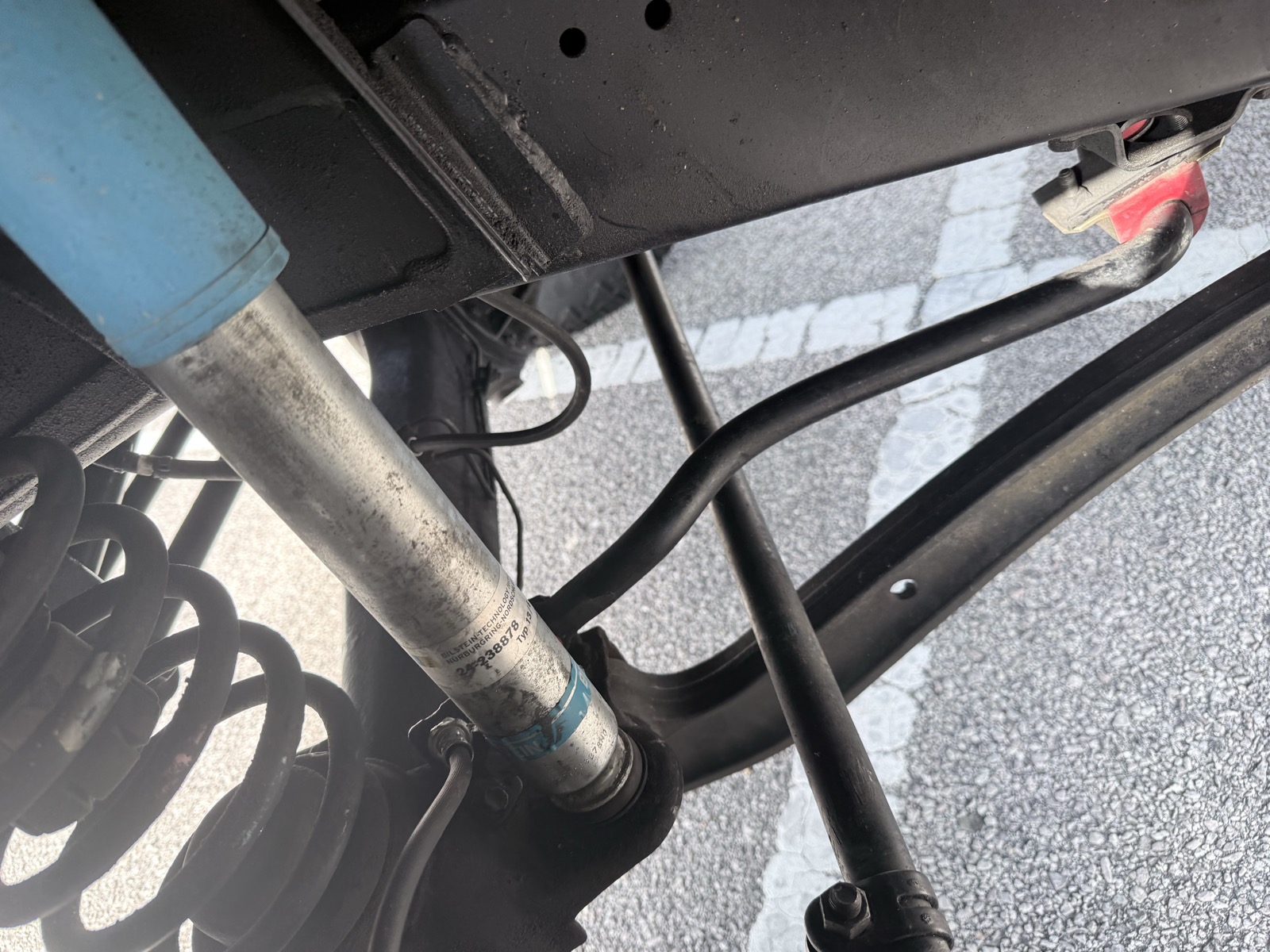
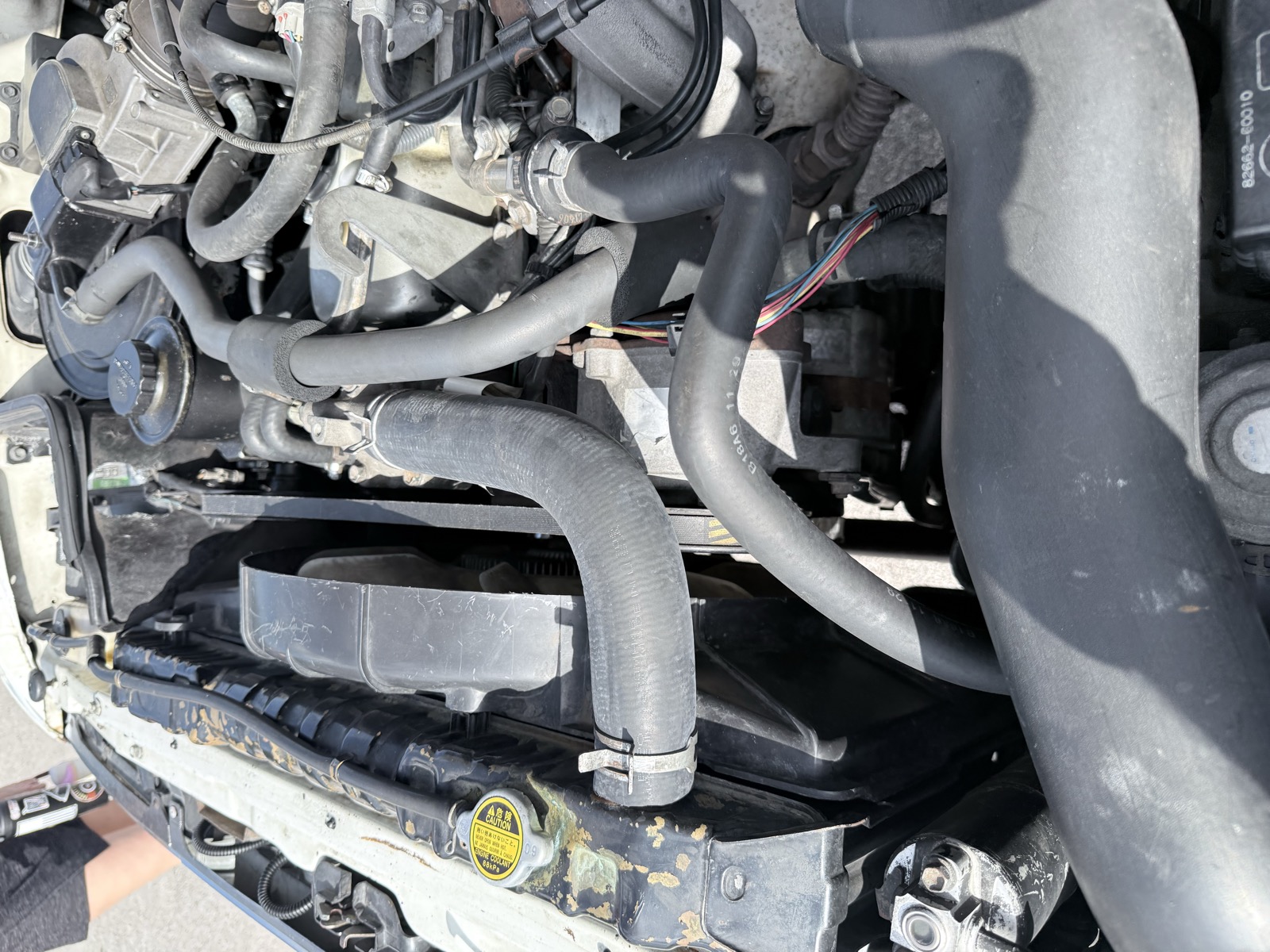
This particular truck has spent its entire life in Texas. It has been gone through systematically over the last twelve months: every fluid, every belt, every hose, the entire front suspension and steering, the brakes upgraded to the later FZJ80 spec, the cooling system fresh, the ignition system fresh, the vacuum system fresh. It isn't a trailered-out garage queen. It's a daily-capable, honest 80-series — the way they're supposed to be.